If you are trying to work out how much to hire scaffolding in the UK, you are not alone. It is one of the most common questions people ask before starting any building, roofing, or refurbishment work. The difficulty is that there is no single price that applies to every job. Scaffolding costs vary because no two sites are ever the same. Height, layout, access, duration, and safety requirements all affect the final figure.
When you search online, you will often see average prices. These can be useful as a rough guide, but they rarely reflect what you will actually pay on your own site. From what we see day to day, scaffolding is priced around risk, labour, materials, and time. Once you understand how those elements fit together, the costs become far easier to make sense of.
Average Scaffolding Hire Costs in the UK
Most people want a starting point before they speak to a scaffolding company, so it helps to look at realistic UK price ranges. These figures are not quotes, but they reflect common jobs seen across domestic and commercial sites.
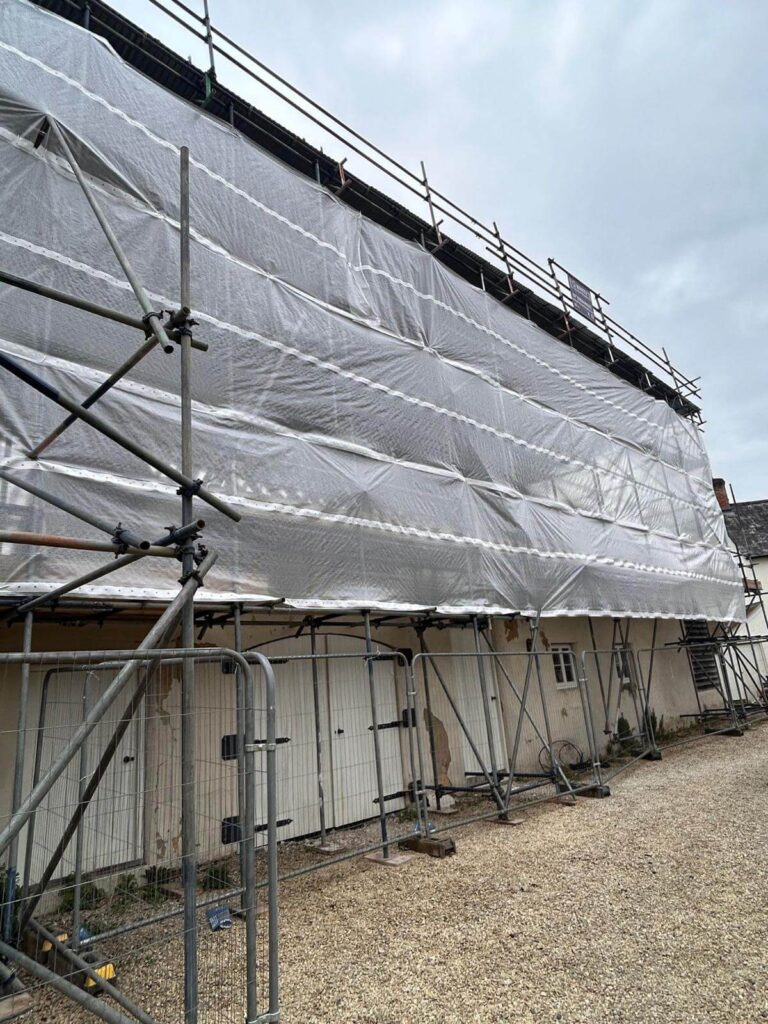
For small domestic projects, such as scaffolding to one side of a house for window replacement or minor roof repairs, prices often start from around £600 to £900. This usually includes delivery, erection, a basic hire period, and dismantling.
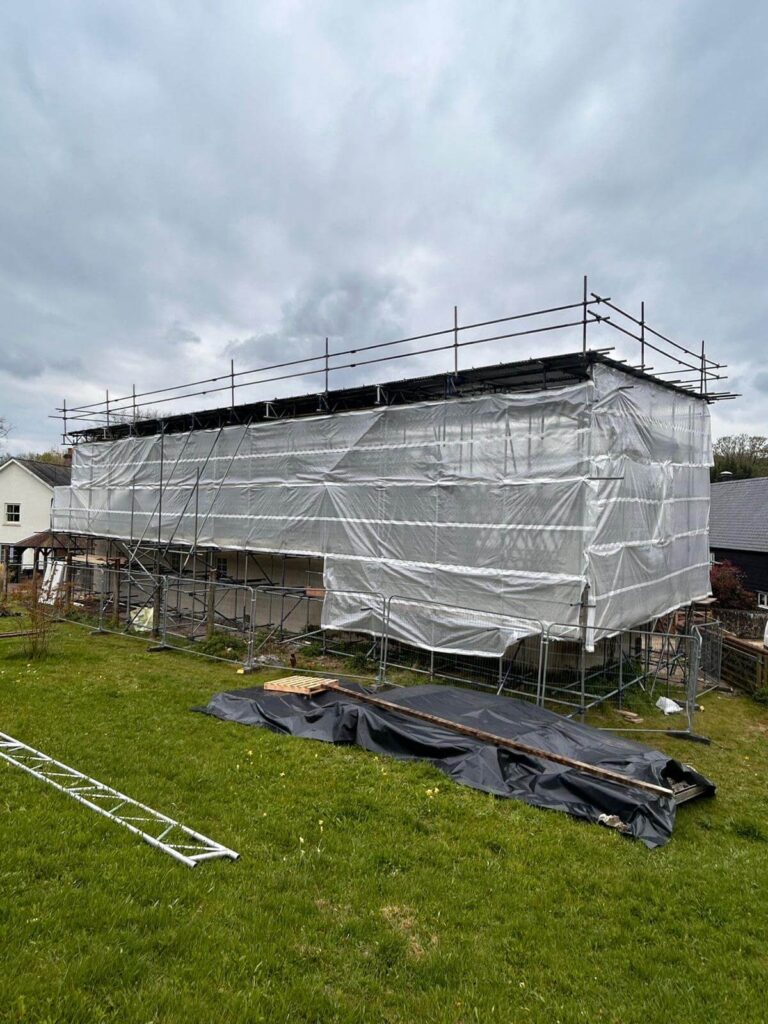
For medium-sized residential projects, such as full perimeter scaffolding for a re-roof, loft conversion, or chimney works, costs are more likely to sit between £1,200 and £2,500. Height, roof shape, and access will push the price higher or lower within that range.
For larger commercial scaffolding, pricing typically starts from £3,000 and can increase significantly depending on scale and duration. Commercial sites often involve extra planning, more frequent inspections, heavier loading, and longer hire periods, all of which affect cost.
These prices usually assume a standard hire period of several weeks. Short jobs do not always cost much less because the main costs sit in labour, transport, and setup rather than time alone.
What Affects the Cost of Hiring Scaffolding?
Scaffolding prices are built around practical site conditions. Understanding the main cost drivers helps explain why quotes can differ so widely.
Size and height of the scaffold
The larger and taller the scaffold, the more materials and labour are required. A simple two-storey house will always cost less than a three- or four-storey building. Extra lifts, extended elevations, and complex layouts all increase build time and material use.
Length of the hire period
Most scaffolding is priced with an initial hire period, often between four and eight weeks. If your project runs over, weekly hire charges may apply. Long-term jobs are usually priced differently from short-term work, and clear timelines help avoid unexpected extension costs.
Type of scaffolding required
Basic access scaffolding is more affordable than specialist systems. Temporary roofs, cantilever sections, loading bays, stair access, and protection fans all add complexity. These features improve safety and usability, but they also increase cost.
Access restrictions and ground conditions
Limited access, uneven ground, or weak surfaces can require additional preparation to keep the scaffold stable. Extra base support, spreader plates, or altered layouts may be needed, which affects both labour and materials.
Location and local authority requirements
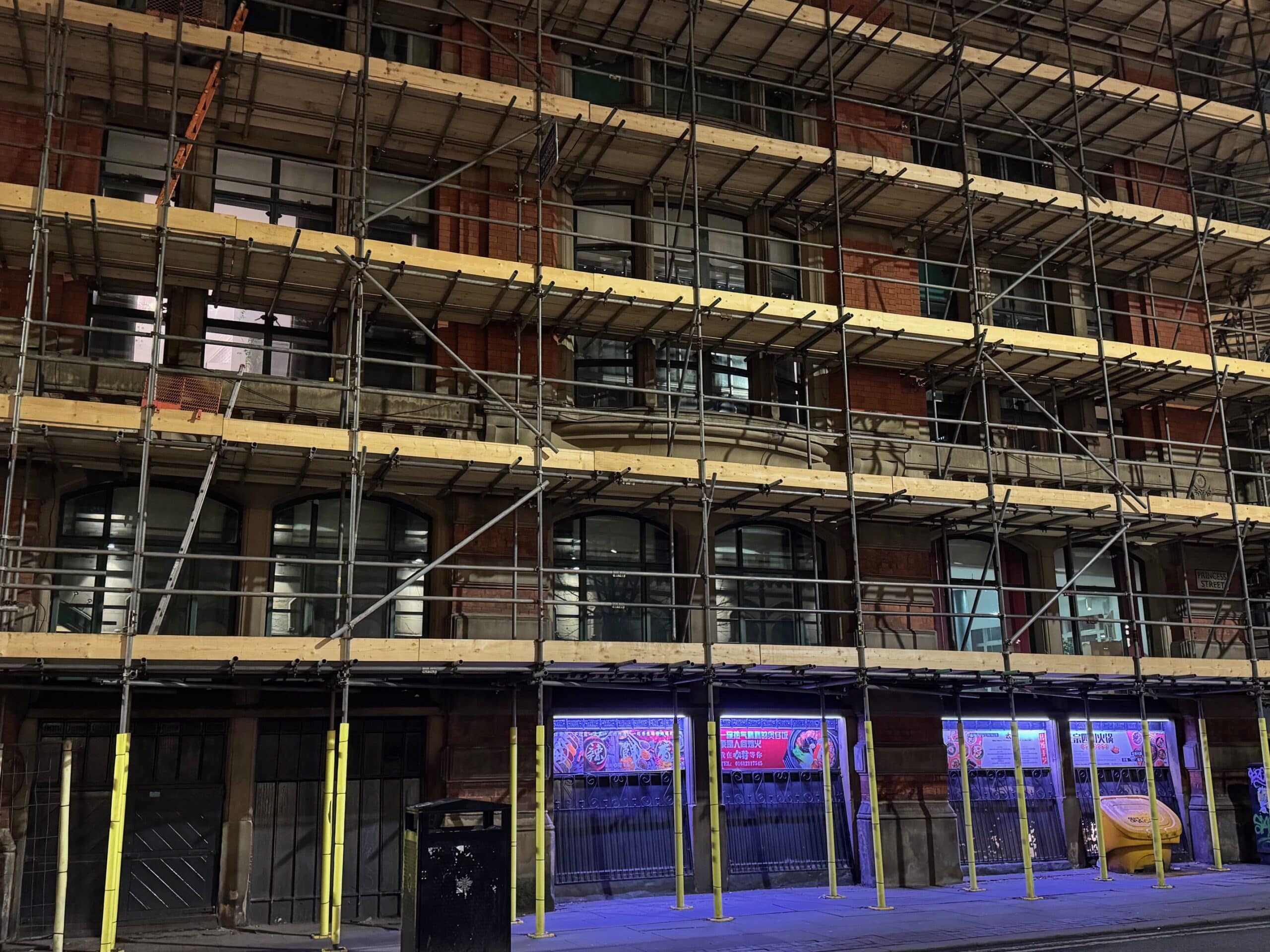
Town centres, busy roads, and public-facing buildings often require permits or licences. These are issued by local councils and usually involve additional safety measures. Permit costs are normally passed on at cost and vary by location.
Public protection requirements
If scaffolding is erected above pavements, entrances, or shared access routes, extra protection is often required. Fully boarded lifts, debris netting, fans, or hoarding may be necessary to protect the public below.
Domestic vs Commercial Scaffolding Costs
Domestic scaffolding is generally simpler. Fewer people use it, loads are lighter, and access is usually clearer. This keeps planning straightforward and costs more predictable.
Commercial scaffolding is different. It often supports multiple trades at the same time and must meet stricter safety and inspection requirements. Commercial sites also involve more interaction with the public, which increases responsibility and complexity.
You are paying not just for materials, but for planning, compliance, inspections, and ongoing management. That is why commercial scaffolding costs more, even when the structure looks similar at first glance.
Weekly Hire Costs Explained
A common misunderstanding is that scaffolding is priced like tool hire, with a simple weekly rate. In reality, most of the cost sits in erection and dismantling.
The initial price usually includes delivery, erection, a fixed hire period, and removal. Weekly hire charges tend to apply only after that initial period ends. This is why a one-week job does not cost a quarter of a four-week job.
Clear communication about how long the scaffold is needed helps keep costs under control. Extending hire by a week or two is usually far cheaper than dismantling and re-erecting later.
Additional Costs to Be Aware Of
Some scaffolding costs do not apply to every job, but they are worth understanding before work begins.
Council permits and pavement licences may be required when scaffolding sits on public land. These fees are set by the local authority and vary between councils.
Temporary roof systems add protection during long or weather-sensitive projects. They increase costs due to additional materials and labour but often prevent delays and damage.
Rubbish chutes are commonly used on multi-storey projects. They improve site safety and cleanliness by allowing debris to be removed safely.
Extra lifts, stair access, or loading bays may be required depending on how materials are moved around the scaffold.
Out-of-hours installation can increase costs if scaffolding must be erected early in the morning, overnight, or at weekends to reduce public disruption.
How to Get an Accurate Scaffolding Quote
Online averages are helpful for early planning, but they cannot replace a proper site assessment. A reliable quote should be based on your actual building and working conditions.
A proper scaffolding quote usually considers the size and height of the structure, how long it will be needed, access limitations, ground conditions, and any permit requirements. It should also account for safety measures and inspection schedules.
If a price seems unusually low without a site visit or detailed discussion, it is often a warning sign rather than a saving.
Is Cheap Scaffolding a Risk?
Cheap scaffolding is not always unsafe, but it can become a problem if corners are cut. Missing inspections, inadequate foundations, or poor public protection can create serious risks during the project.
From experience, issues usually appear partway through a job rather than at the start. A well-priced scaffold reflects proper planning, ongoing checks, and accountability.
A Real-World Cost Example
To put the pricing into context, consider a typical two-storey house requiring full perimeter scaffolding for a roof replacement. Access is reasonable, and the scaffold is needed for six weeks.
The cost may include delivery, erection, dismantling, fully boarded lifts, and edge protection. A realistic price might fall between £1,500 and £2,000 depending on layout and location.
If the same project required a temporary roof and a pavement licence, the cost could increase by £1,000 or more. The scaffold is doing more work, for longer, and under stricter safety conditions.
Final Thoughts: How Much Should You Expect to Pay?
If you are asking how much to hire scaffolding, the most accurate answer is that it depends on your site rather than a fixed rate. Most domestic jobs sit between £600 and £2,500. Commercial scaffolding varies widely and should always be assessed individually.
Understanding how scaffolding is priced helps you budget with confidence and avoid unexpected costs. A properly planned scaffold supports your project, protects people, and keeps work moving safely.
For the most accurate figure, a proper assessment of your site is always the best place to start.