Planned scaffold access for homes, blocks and commercial properties across Brixton.
- Domestic, refurbishment and commercial scaffolding.
- Access planned around occupied and restricted sites.
- London enquiries: 020 7205 2798.

Planned scaffold access for homes, blocks and commercial properties across Brixton.
With over 15 years of experience in the scaffolding industry, White’s Scaffolding delivers quality workmanship and dependable service across Wiltshire, Hampshire, and Dorset.
From domestic homes and extensions to industrial and commercial sites, we provide safe, reliable scaffolding tailored to every type of project.
We offer realistic, transparent rates with no hidden charges, providing exceptional value and professional results from start to finish.
Our fully trained and insured team works to strict health and safety standards on every job, ensuring secure structures and complete peace of mind.
White’s Scaffolding provides scaffolding in Brixton for residential repairs, block maintenance, refurbishment, glazing and contractor-led building work.
Brixton properties range from terraced houses and converted flats to larger residential blocks, shops and mixed-use buildings around Brixton Road, Acre Lane, Brixton Hill and Coldharbour Lane. Each type of property creates different access requirements.
A house may only need one elevation for roofing or decoration, while a larger block may require several scaffold lifts, protected entrances and access that remains usable by residents throughout the project.
Our residential scaffolding can support roofing, brickwork, window replacement, external decoration and renovation work where reliable access is required above ground level.
The scaffold arrangement should be based on where trades actually need to work, how long access is needed and what surrounds the building at ground level.
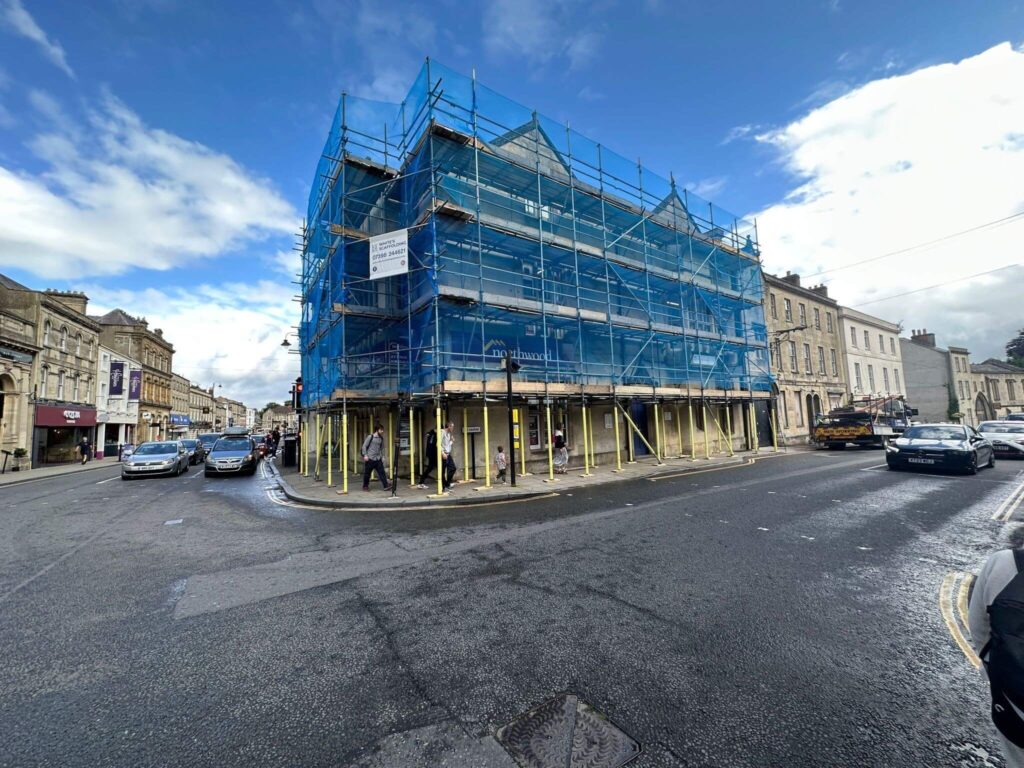
Scaffolding around an occupied residential block needs to support the construction work without ignoring the people who still live there.
Entrances, paths, refuse areas, deliveries and access to communal parts may all remain active while external repairs are carried out. Social housing scaffolding can be planned around these practical requirements on larger residential projects.
Typical work can include:
Where buildings remain occupied, the programme should also consider how scaffold erection, alterations and dismantling affect residents as the project progresses.
Window and glazing work requires more than simply reaching the opening. Installers may need space to remove old units, handle replacement frames and position glass accurately from a stable platform.
Scaffolding for glass and glazing can provide controlled access for work such as:
Platform position is especially important for glazing because operatives need to work close enough to the opening while retaining sufficient space for safe handling.
On commercial premises, the scaffold may also need to preserve access below while work takes place above.
Good scaffold planning starts at ground level. Access restrictions, building use and the work itself all influence the final structure.
Some scaffolding is required before the main construction phase has even started.
Scaffolding for enabling works can provide access during surveys, soft strip, structural investigations and other preparatory work needed before refurbishment or redevelopment moves forward.
This type of project may involve:
Early-stage projects can change as previously concealed areas are exposed. Scaffold access may therefore need to accommodate a developing programme rather than one fixed task.
This is particularly important where different contractors need controlled access during separate stages of the same refurbishment.
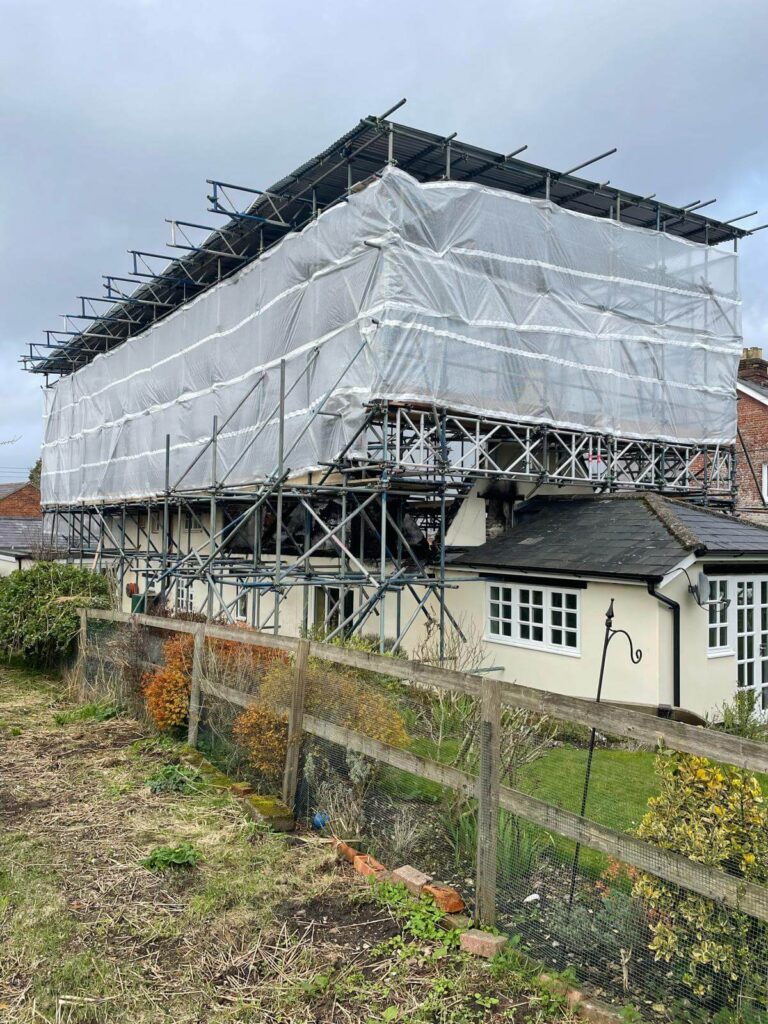
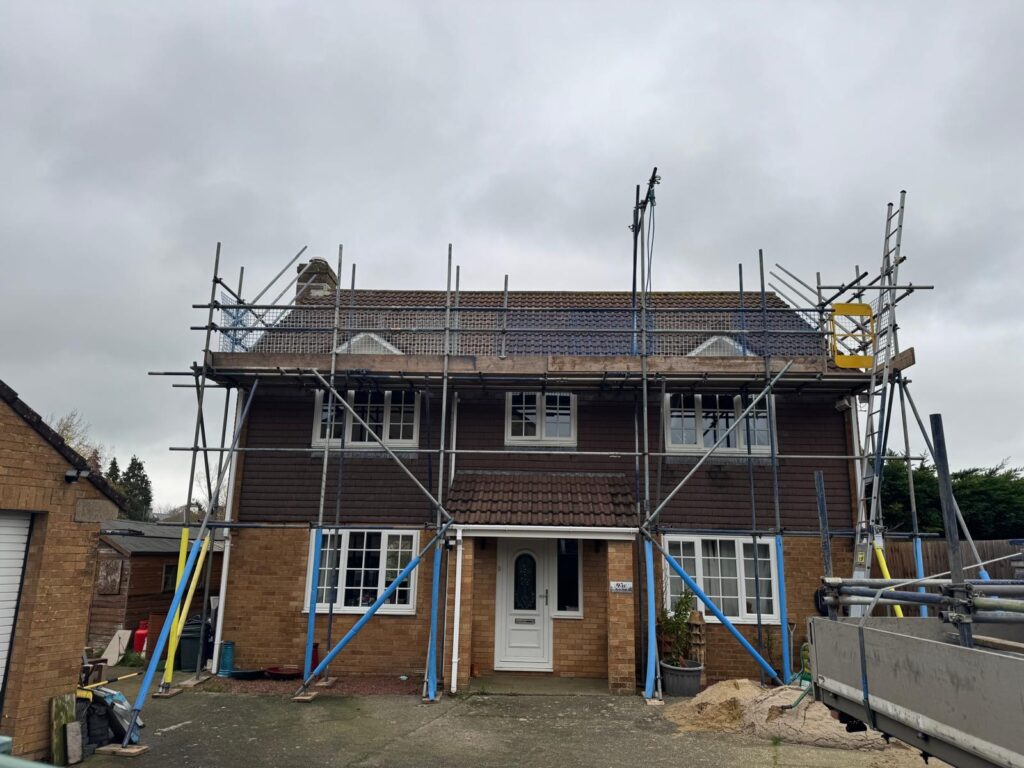
Work on public buildings and managed property portfolios can involve additional coordination because the premises may remain in daily use.
Local authority scaffolding can support maintenance, repairs and improvement programmes where contractors need controlled access while protecting building users and surrounding areas.
Planning may need to consider:
A public-facing scaffold needs to be considered as part of the wider site rather than as an isolated structure. The position of hoarding, doors, walkways, storage areas and delivery routes can all affect how the scaffold is used.
Clear access planning at the beginning can reduce the need for avoidable changes once the project is underway.
How much does scaffolding cost in Brixton?
The cost depends on the height, length and number of elevations, the hire period, working-platform requirements and how straightforward the site is to access. Specialist structures or additional protection can also affect the quotation.
Can scaffolding be erected while tenants remain in a block?
Yes, many scaffold projects take place around occupied residential buildings. Entrances, communal routes, refuse areas and other essential access should be considered during planning.
Can you scaffold the rear of a terraced house?
Often, yes. Rear access may involve carrying scaffold components through a side route, passage or other agreed access point. Extensions, conservatories and neighbouring boundaries can influence the final scaffold arrangement.
What if there is a conservatory below the area being repaired?
The conservatory should not simply be treated as a suitable support surface. A specialist scaffold over a conservatory can bridge the structure and transfer loads to appropriate supporting positions.
How long can scaffolding stay in place?
The hire period depends on the agreed project requirements. Longer projects may need the scaffold to remain through several phases, while smaller repair jobs may only need access for a relatively short period.
Does scaffolding need to be inspected?
Yes. Scaffolding used for construction work is subject to inspection requirements under UK work-at-height legislation. It also needs attention following circumstances that could affect its safety, such as significant alteration or adverse conditions.
Can builders change the scaffold themselves?
No. Trades should not remove ties, guardrails, boards or other scaffold components to make their own access easier. Required alterations should be referred back to the scaffold contractor.
When should I arrange scaffolding for my project?
Arrange it early enough for the property, required working areas and any access restrictions to be assessed before your trades need to begin. Complex or publicly accessible sites may require more planning than a straightforward domestic elevation.
How do I request scaffolding in Brixton?
Call White’s Scaffolding on 020 7205 2798 and provide details of the property, the work being carried out and the areas that need access.
Tell White’s Scaffolding what work is planned, which parts of the property need access and whether the site has any known restrictions. We can discuss a practical scaffolding arrangement for your Brixton project.