Experts in Scaffolding for Local Authority Buildings, where safety comes first

Local Authority Scaffolding for councils, housing teams and public sector sites

  • Safe scaffold access for council buildings, housing blocks and civic properties
  • Public route planning for footpaths, entrances, depots and community facilities
  • Fully insured scaffolding available 7 days, including nights

Experienced Scaffolders

With over 15 years of experience in the scaffolding industry, White’s Scaffolding delivers quality workmanship and dependable service across Wiltshire, Hampshire, and Dorset.

All Projects, Large or Small

From domestic homes and extensions to industrial and commercial sites, we provide safe, reliable scaffolding tailored to every type of project.

Fair and Competitive Pricing

We offer realistic, transparent rates with no hidden charges, providing exceptional value and professional results from start to finish.

Safety First, Always

Our fully trained and insured team works to strict health and safety standards on every job, ensuring secure structures and complete peace of mind.

Local Authority Scaffolding For Public Buildings And Council Assets

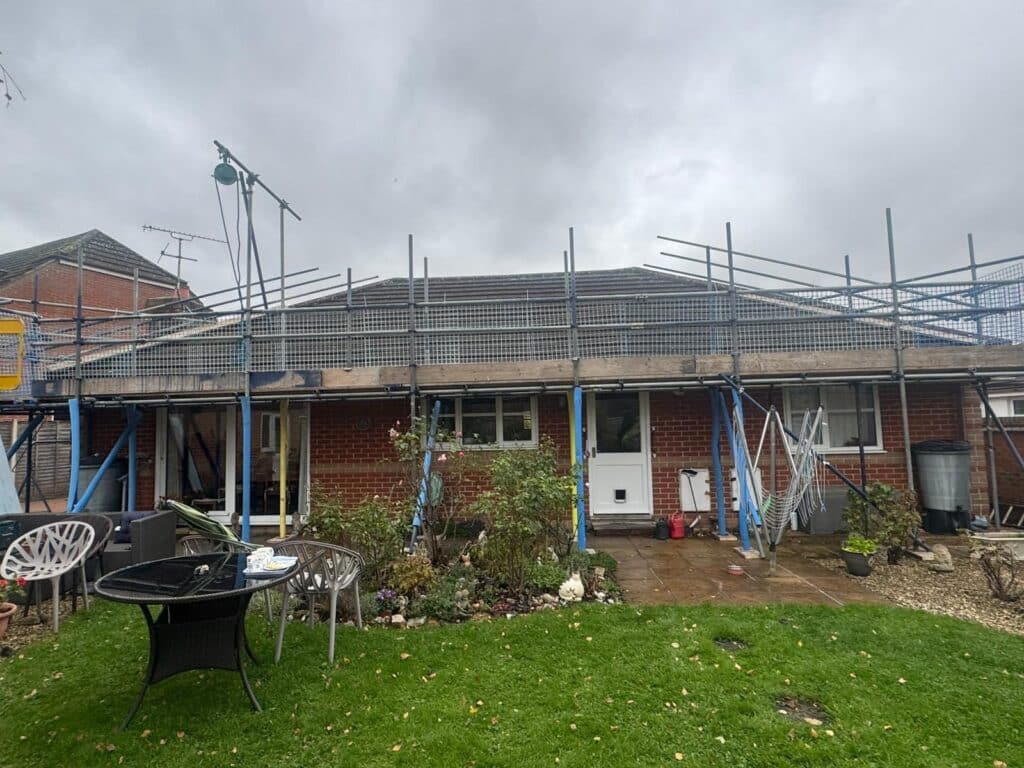
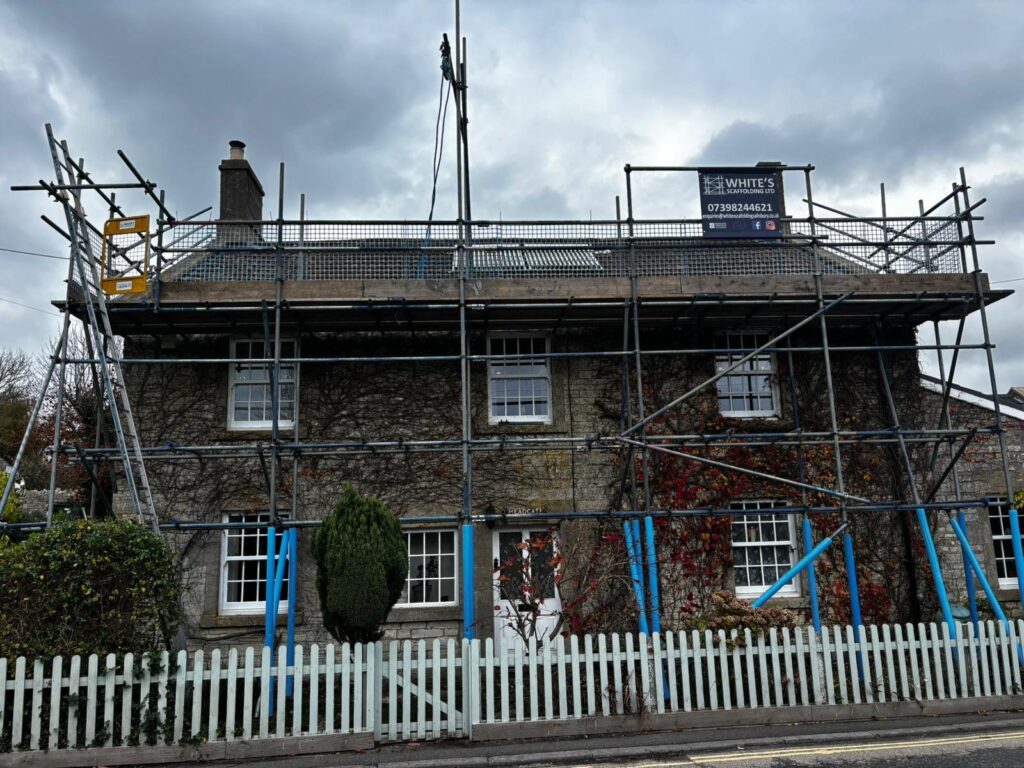
Local Authority Scaffolding gives councils, public sector contractors, housing teams and facilities managers safe access for building repairs, roof works, inspections and planned maintenance. These projects often happen around buildings that remain in use, so the scaffold has to support the work without making entrances, footpaths, car parks or resident routes difficult to manage.

Whites Scaffolding provides scaffold access for council offices, libraries, leisure centres, depots, community buildings, civic properties and housing stock. The work may involve a modest tower for a short repair, a full elevation scaffold for façade works, or a more detailed structure where public routes sit close to the building. Each job needs a sensible access plan rather than a one-size-fits-all arrangement.

Public sector work can also involve permissions, highway boundaries and pedestrian protection. Where a council building sits close to a pavement or busy frontage, screen scaffolding and protection can help separate the work from surrounding public areas.

Whites Scaffolding can help local authority teams plan safe access before the job becomes disruptive. Contact Whites Scaffolding for a council scaffold setup that is practical, compliant and built around how the site is used.

Why Council Projects Need Public Access Planning

Council scaffolding often sits in places where people still need to live, work, visit or pass through. A scaffold may stand beside a housing entrance, outside a library, next to a depot gate or along a pavement serving several public buildings. That makes route planning, protection and timing just as important as the scaffold structure itself.

Common local authority needs include:

  • Safe access for roof repairs, chimney work, gutter replacement and masonry repairs on council-owned buildings.
  • Resident-aware planning for housing blocks where entrances, bins, car parks and communal paths must stay usable.
  • Protection for pedestrians where scaffolding is close to a footpath, civic entrance or public-facing frontage.
  • Stable platforms for surveyors, roofers, decorators, glaziers and refurbishment contractors working at height.
  • Flexible installation times where daytime scaffold work would disrupt visitors, staff or local services.

A well-planned scaffold gives contractors a safer working area and gives the council a clearer way to manage risk. It can also help reduce complaints by making routes, barriers and working zones easier to understand.

Whites Scaffolding can provide council scaffolding contractors for planned maintenance, urgent repairs and refurbishment programmes. Speak to Whites Scaffolding if your public sector project needs safe access without unnecessary disruption.

Why Choose Whites Scaffolding?

Whites Scaffolding understands that local authority sites are rarely simple closed environments. Public buildings often stay open, housing blocks remain occupied, and civic spaces may be used throughout the day. The scaffold has to respect those conditions while still giving contractors the access they need.

The team can support public building scaffold hire, social housing scaffold hire, council maintenance scaffolding and civic repair scaffold access. Where roof areas need safer movement, access walkways can provide controlled routes across high-level areas.

Whites Scaffolding is fully insured, health and safety compliant and able to work 7 days, including nights. That flexibility helps when a council job needs work outside normal opening hours or a fast response after storm damage.

Whites Scaffolding can help you choose a scaffold layout that suits the building, the public setting and the work programme. Get in touch with Whites Scaffolding to discuss safe, organised scaffold hire for council and public sector projects.

Keeping Public Spaces Safer While Work Takes Place

A local authority scaffold should help the work progress while keeping public movement clear, controlled and predictable.

Clear Public Routes

Entrances, footpaths, car parks and shared routes can be reviewed before scaffold equipment is positioned.

Resident Awareness

Housing sites can be planned around daily access, bin stores, deliveries and communal areas.

Permit Consideration

Where scaffold affects a public highway or pavement, licence requirements can be considered early.

Safer Work Areas

Guarded platforms and controlled access points give trades a more secure place to work at height.

Council Buildings And Public Sites We Can Support

Local authority properties can vary from small community buildings to large civic sites. Some are used mainly by staff, while others are visited by residents throughout the day. A depot, a leisure centre and a town hall all need different access thinking, even if the repair itself looks similar on paper.

Scaffold access can support:

  • Town halls and civic buildings needing roof access, stonework repairs, window works or high-level inspections.
  • Libraries and community centres where public entrances may need to remain available during maintenance.
  • Leisure centres with high roofs, plant areas, glazed sections, cladding and sports hall elevations.
  • Council housing blocks where residents need safe routes around scaffolded areas.
  • Depots and service yards where vehicle movement and deliveries must be considered before installation.

Some sites need a quick response after bad weather or impact damage. In those cases, disaster recovery scaffolding can provide controlled access for inspection and repair.

Whites Scaffolding can assess the site before recommending a safe and practical setup. Contact Whites Scaffolding if your council property needs scaffold access for maintenance, refurbishment or urgent repair work.

Scaffold Setups For Council Repairs And Public Works

The best scaffold setup depends on the building, the task and the surrounding public space. A quiet depot repair may need a simple access scaffold. A high street council office may need protection along the pavement. A housing block may need phased works so residents can keep using agreed routes safely.

Useful scaffold options include:

  • Edge protection scaffolding for roof repairs, gutters, parapets and plant areas.
  • Independent scaffolding for façades, window replacement, render repairs and external decoration.
  • Mobile scaffold towers for smaller maintenance tasks where the area can be isolated.
  • Covered access arrangements where pedestrians or residents need a defined route near the work area.
  • Hoist and loading arrangements where materials need to move safely on larger refurbishment jobs.

Public works scaffolding should not be oversized for the sake of it. The right setup is the one that gives safe access, reduces unnecessary obstruction and helps the project move in a controlled way.

Whites Scaffolding can recommend the most suitable system for council offices, housing stock, depots and civic buildings. Speak to Whites Scaffolding to plan scaffold access that fits the task and the site conditions.

How The Local Authority Scaffolding Process Works

The process starts with a practical site review. Whites Scaffolding looks at the building, the planned work, the scaffold footprint, nearby public routes, access doors, parking, highways, fire exits, loading needs and the expected hire period. This helps decide whether the job needs a tower, an independent scaffold, a temporary roof, edge protection, a gantry, a protected walkway or a designed scaffold.

Once the access method is clear, timing and permissions are considered. If scaffolding will sit on or over a public pavement, road or verge, a licence may be needed before installation. On busy council sites, scaffold erection can often be planned outside peak periods so residents, staff and visitors can keep using agreed routes.

After installation, the scaffold should be inspected before use and checked during the hire period. Alterations, severe weather or impact risks may trigger further checks. When the work is complete, dismantling is planned so entrances, footpaths and public spaces can return to normal as smoothly as possible.

Whites Scaffolding can manage the scaffold process from survey through to removal. Contact Whites Scaffolding for local authority scaffolding that is planned around the building, the work and the people using the site.

Local Authority Scaffolding Prices And Typical Cost Ranges

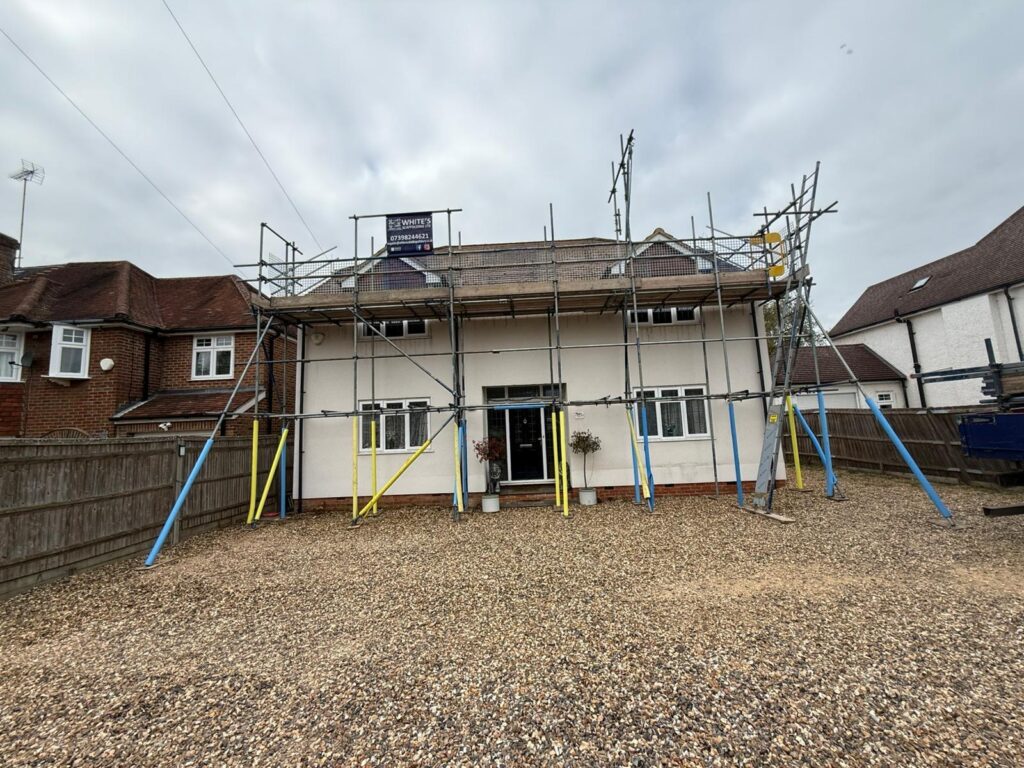
Local authority scaffolding prices depend on the building, access conditions and how much public protection is needed. A small tower or compact scaffold for a minor council maintenance task may cost around £975 to £1,900. A standard elevation scaffold for a council office, community centre or library may range from £2,950 to £8,750, depending on height, access and hire duration.

Larger public sector jobs cost more because they may involve licences, pedestrian protection, sheeting, edge protection or phased installation. A temporary roof over a council building may range from £8,750 to £24,500. A housing block scaffold, civic façade project or public highway scaffold can exceed £26,000 where the work needs longer hire, hoists, screens or more complex access planning.

The main cost factors include scaffold height, number of lifts, public route protection, pavement involvement, hire length, loading needs, inspection requirements and whether out-of-hours work is needed. A scaffold on private land is usually simpler than one affecting a public route.

Whites Scaffolding can provide a realistic quote after reviewing the site and the work involved. Speak to Whites Scaffolding for local authority scaffolding prices based on the actual access conditions, not a generic estimate.

FAQs

Local authority scaffolding is scaffold access used on council buildings, public properties, housing blocks, depots, leisure centres, libraries and civic sites. It helps contractors carry out repairs, inspections and maintenance safely at height.

The main difference is the public setting. These scaffolds often need to account for residents, pedestrians, visitors, council staff and public entrances, not just the workers using the structure.

Councils need scaffolding when buildings or housing stock require work that cannot be completed safely from ground level. Common tasks include roof repairs, gutter replacement, masonry work, window replacement and façade maintenance.

Scaffolding gives trades a safer working platform and helps the site manager control access around the work area. It is especially useful where the building remains occupied or open to the public.

Yes, scaffolding placed on or over a public pavement, road, verge or highway normally needs permission from the relevant local authority. This is usually handled through a scaffold or hoarding licence.

The licence process helps manage public safety, pedestrian movement and highway use. Requirements vary between councils, so permission should be checked before installation dates are confirmed.

A scaffold should be inspected before it is first used and then at intervals of no more than 7 days while it remains in place. It should also be inspected after substantial alteration or after conditions that could affect safety.

For council work, inspection records are useful because multiple parties may rely on the scaffold being safe. This can include contractors, facilities teams, housing officers and public sector managers.

Yes, scaffolding can be used near public footpaths when the setup is properly planned, licensed and protected. The scaffold may need barriers, signs, lighting, fans or a covered route depending on the location.

The aim is to keep pedestrians away from the working area while still allowing safe movement where routes must remain open. This should be considered before the scaffold is erected.

Yes, council housing scaffolding is commonly used for roof works, window replacement, render, brick repairs, guttering and external refurbishment. It can be used on flats, maisonettes and communal blocks.

Resident access needs careful thought. Entrances, bin stores, car parks, deliveries and emergency routes should all be reviewed before the scaffold layout is agreed.

A small scaffold or tower for a minor council maintenance task may cost around £975 to £1,900. A standard elevation scaffold for a public building may range from £2,950 to £8,750.

Larger works can cost more. Housing blocks, temporary roofs, civic façades and public highway scaffolds can exceed £26,000 where the job needs longer hire, public protection or more complex access arrangements.

The price depends on scaffold height, number of lifts, hire period, public route protection, access restrictions, loading needs, inspection requirements and whether a pavement or highway is affected.

Costs can also increase where the scaffold needs out-of-hours installation, sheeting, edge protection, temporary roofing or design input. A site visit is usually the best way to price the work accurately.

The scaffold contractor often applies for the licence, although this can vary by council and project. Some local authorities may require specific information before permission is granted.

The application may include scaffold dates, location details, insurance information, drawings and pedestrian management details. It is best to allow time for approval before arranging installation.

Yes, covered walkways can be used where people need to pass close to or beneath a scaffold. They are often considered near public entrances, pavements and housing blocks.

A covered route can make public movement clearer and safer during the project. It also helps separate pedestrians from the contractor’s working area.

Yes, scaffolding can be used on town halls for stone repairs, roof access, gutter works, window replacement, inspections and external decoration. Older civic buildings may need more careful planning.

Narrow pavements, heritage features and public entrances can all affect the scaffold layout. A site-specific approach is usually needed for this type of building.

Yes, libraries and community centres often need scaffolding for roof repairs, high-level glazing, guttering, cladding, brickwork and external maintenance. These buildings may remain open while work takes place.

The scaffold plan should consider opening hours, accessible entrances, deliveries, fire exits and public events. This helps reduce disruption while the work is completed.

Public route scaffold protection means using measures that separate pedestrians from scaffold activity. This can include barriers, signs, toe boards, fans, hoarding, lighting or defined walkways.

It is usually needed where scaffolding is close to pavements, car parks, housing entrances or civic spaces. The exact setup depends on the risk and the surrounding area.

Yes, councils can use temporary roofs where public buildings need weather protection during roof repairs or refurbishment. They help protect the building while exposed areas are being worked on.

Temporary roofs may be used on libraries, offices, housing blocks and community buildings. The cost depends on span, height, exposure, sheeting and hire duration.

Yes, scaffolding can often be installed during evenings, nights or weekends where this reduces disruption. This can be useful near public offices, busy pavements or housing entrances.

Out-of-hours work still needs planning. Noise, lighting, access, deliveries, permissions and handover arrangements should be agreed before the work begins.

Yes, emergency scaffolding can be used after storm damage, fire damage, loose masonry, roof failure or impact damage on public buildings. The first aim is usually to make the area safe.

Once access is controlled, the scaffold can support surveyors, engineers and repair teams. This allows the problem to be inspected and repaired more safely.

Yes, listed council buildings can be scaffolded, but they often need extra care. Historic stone, decorative details, narrow streets and sensitive façades can all affect the scaffold design.

The scaffold should give safe access without creating unnecessary risk to protected features. A more considered layout is usually needed for heritage or civic buildings.

Edge protection may be needed where contractors work near roof edges, gutters, parapets, skylights or plant areas. It helps reduce fall risk during roof and maintenance work.

Council buildings often use edge protection for inspections, guttering, roof repairs and refurbishment tasks. The need depends on the work area and the level of exposure.

Yes, council depots may need scaffolding for roof repairs, cladding, guttering, plant access and building inspections. These sites often have vehicles, equipment and deliveries moving through them.

The scaffold plan should consider vehicle routes, loading areas, storage zones and safe contractor access. This helps the depot continue operating while the work is carried out.

The right scaffold is chosen by looking at the building, the work, public access, highway involvement, height, ground conditions, loading and hire duration. A housing block and a public library may need very different setups.

Whites Scaffolding can review the site and recommend the most suitable option, whether that involves a tower, independent scaffold, edge protection, access walkway, temporary roof or designed scaffold system.