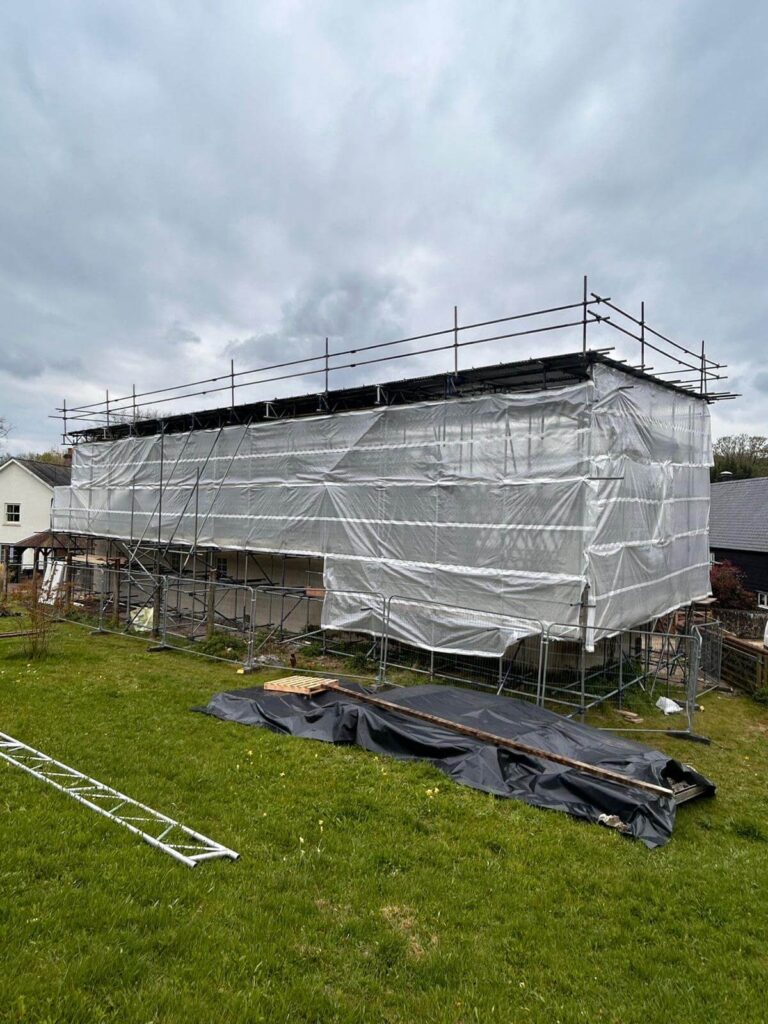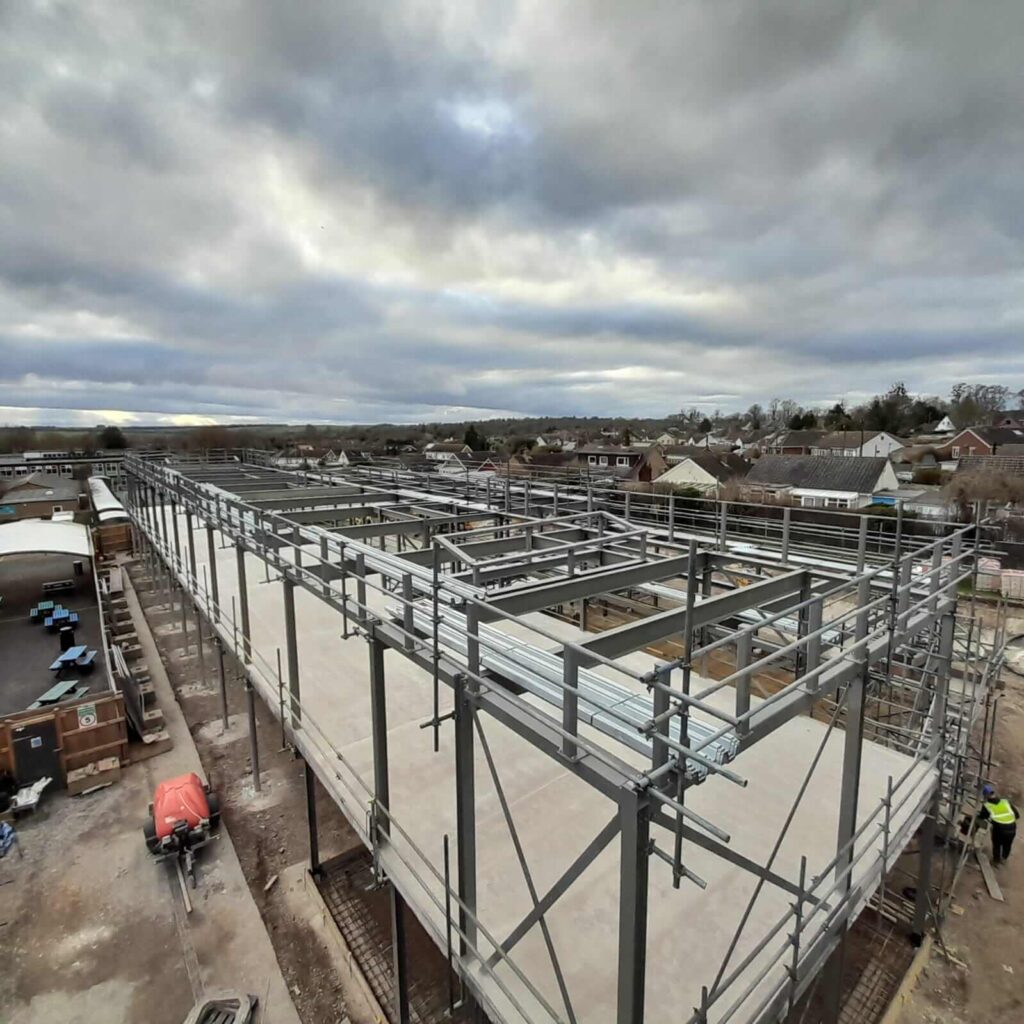
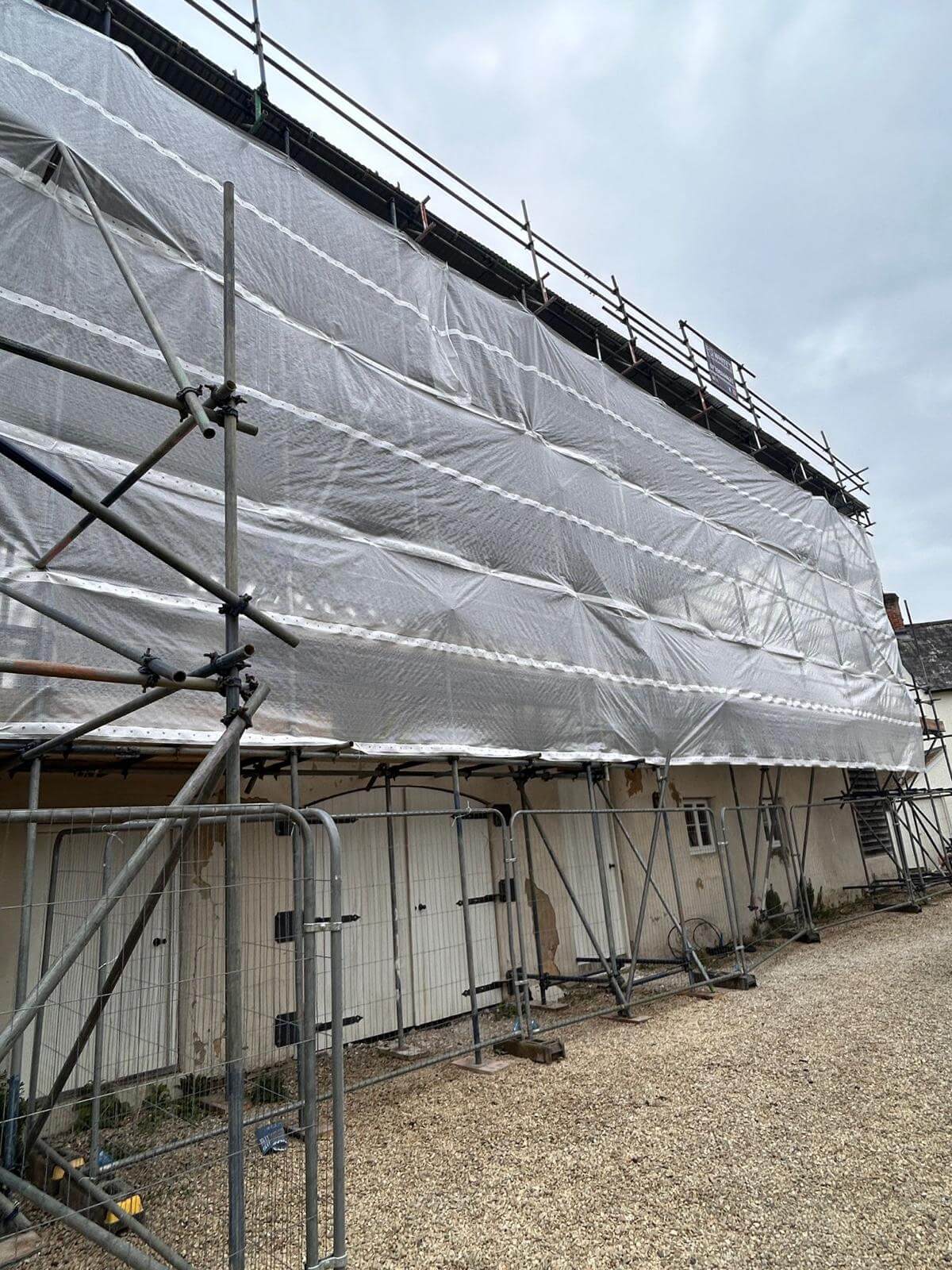
Scaffolding can be a surprise if you are a tenant. One day the property looks normal, and the next there are poles, boards, ladders, netting and contractors outside your windows. It can affect privacy, noise, parking, access, security and how comfortable you feel inside your home.
So, when should a landlord tell you about scaffolding work?
In simple terms, a landlord should tell tenants as early as reasonably possible once scaffolding is being planned. For access to the property for repairs or inspections, tenants should normally receive at least 24 hours’ notice, and repair access should be arranged for a reasonable time. For scaffolding, good communication should usually happen much earlier because the work can affect the outside of the property for days or weeks.
Is There a Set Notice Period for Scaffolding?
There is not always one simple notice period that applies to every scaffolding job. It depends on why the scaffold is being installed, where it will be placed, whether contractors need access inside the property, and what the tenancy agreement says.
For inspections and repair access, tenants should usually be given at least 24 hours’ written notice, and the visit should be at a reasonable time. Repair work may also need reasonable notice, which is usually at least 24 hours unless there is an emergency.
Scaffolding is slightly different because a scaffold can often be erected outside without contractors entering the home. Even so, tenants should still be told in advance because the scaffold may affect their daily use of the property. It may block windows, reduce natural light, cover entrances, restrict gardens, affect parking, or create noise during erection and dismantling.
For planned work, a landlord should ideally give several days’ notice at the very least. For larger projects, a week or more is more reasonable. The earlier the tenant is told, the easier it is to avoid problems.
Why Would a Landlord Need Scaffolding?
A landlord may arrange scaffolding for many genuine repair and maintenance reasons. Common examples include roof repairs, chimney work, gutter replacement, external painting, brickwork repairs, window replacement, render repairs, leak investigation, fascia and soffit work, or structural maintenance.
In many cases, scaffolding is not there for decoration or convenience. It is there because contractors need safe access to work at height. Ladders are not suitable for every job, especially where contractors need to use tools, carry materials, work with both hands, or stay in position for long periods.
If the work relates to the structure or exterior of the property, it may fall within the landlord’s repair responsibilities. That does not mean the landlord can ignore the tenant’s right to quiet enjoyment, but it does mean tenants should normally cooperate with reasonable access for genuine repairs.
What Should the Landlord Tell the Tenant?
A vague message saying “scaffolding is going up tomorrow” is not enough for most situations. Tenants need clear information so they can plan around the disruption.
A landlord or managing agent should explain:
- When the scaffold will be erected
- How long it is expected to stay up
- What work is being carried out
- Whether contractors need internal access
- Whether windows, doors, gardens or parking spaces will be affected
- Whether there will be noise during erection and dismantling
- Who to contact if there is a problem
- Whether security measures are being used
- Whether the scaffold will block a path, entrance or public pavement
The more disruptive the scaffold is, the more detail the tenant should receive. A small scaffold tower for a quick gutter repair is very different from a full scaffold around a house for roof replacement.
Should Tenants Be Told Before the Scaffold Is Erected?
Yes, tenants should be told before scaffolding is erected. Even if the scaffold is outside, it can still affect how the tenant uses their home.
Scaffolders may need access to gardens, side paths, driveways, rear entrances or shared areas. They may need to carry poles through a gate, use space near windows, or place standards on private land. If the tenant has pets, children, mobility issues, work calls, night shifts or security concerns, advance notice becomes even more important.
Good landlords should not wait until scaffolders are already on site. Proper notice gives the tenant time to move garden furniture, unlock side gates, arrange parking, raise concerns, or ask practical questions.
What About Emergency Scaffolding?
Emergency work is different. If there is storm damage, a dangerous chimney, loose masonry, a serious roof leak or another urgent safety issue, the landlord may need to act quickly.
Even then, the tenant should still be told as soon as possible. Emergency work does not mean communication can be ignored. It simply means the notice period may be shorter because the risk is more serious.
For example, if a chimney is unsafe after high winds, a landlord may need urgent scaffolding to make the property safe. In that case, the tenant may not get a week’s notice, but they should still be told what is happening, why it is urgent, and what to expect.
Can a Tenant Refuse Scaffolding?
A tenant should be careful about refusing access for genuine repair work. If the scaffold is needed to fix a repair, prevent damage, or keep the property safe, refusing reasonable access can cause problems.
That said, tenants can ask questions and raise reasonable concerns. They may ask for a better time, clearer details, security measures, safe access to doors, or confirmation that windows will not be left exposed. If the proposed timing is genuinely unreasonable, the tenant can suggest an alternative.
The best approach is usually cooperation with clear communication. Tenants should not ignore reasonable repair requests, but landlords should not treat tenants as though they do not need notice.
Does Scaffolding Need a Licence?
Scaffolding may need a licence if it is placed on a public highway, including pavements. The builder or scaffolding contractor will usually be responsible for arranging the licence with the local authority, but the person organising the work should make sure the correct permission is in place.
This matters for landlords because scaffold placement is not just a tenant issue. If the scaffold affects a pavement, road, public walkway or public space, permission may be needed before it goes up.
Tenants can ask the landlord or managing agent whether a licence is needed and whether it has been arranged. This is especially important if the scaffold blocks a pavement, narrows a public route, or affects access to neighbouring properties.
What About Safety Checks?
Scaffolding should not be put up and forgotten about. Scaffold inspections are normally needed before first use, at regular intervals, and after anything that could affect safety, such as high winds, impact damage or alteration.
For tenants, this is important because scaffolding is often directly outside living spaces. If something looks unsafe, loose, damaged, unstable, badly lit, or easy for unauthorised people to climb, it should be reported straight away.
Landlords and contractors should take scaffold security seriously. That may include ladder removal, access restriction, warning signs, lighting, alarms, netting or other measures depending on the site.
Should the Landlord Tell Neighbours?
In many cases, yes. If scaffolding affects neighbours, shared access, parking, boundaries, light, privacy or a public path, it is sensible to tell neighbouring occupiers before work starts.
This is especially important on terraced houses, flats, maisonettes, HMOs, shared driveways and properties with narrow side access. Neighbours may need to move vehicles, keep access clear, or understand why contractors are working close to their windows or garden.
Good communication helps prevent complaints. It also gives the scaffolding company a better chance of erecting the scaffold smoothly without last-minute access issues.
What Should Tenants Do If They Receive No Notice?
If scaffolding appears without warning, tenants should contact the landlord or managing agent in writing. The message should stay calm and practical.
A tenant can ask:
- Why the scaffold has been installed
- How long it will remain
- What work is being carried out
- Whether anyone needs access inside the property
- Whether the scaffold is licensed if it is on a public pavement
- What safety and security measures are in place
- Who is responsible for problems during the work
Keeping everything in writing is useful because it creates a record. If the scaffold is unsafe, blocking access, causing serious disruption, or being used in a way that feels unreasonable, the tenant may need to escalate the issue to the landlord, letting agent, local council, or another relevant body.
What Is a Reasonable Amount of Notice?
For a small, urgent repair, 24 to 48 hours may be understandable. For planned scaffolding, a few days is the minimum many tenants would expect. For larger jobs, a week or more is usually much better.
A reasonable landlord should think about the level of disruption. A full scaffold around a property is not the same as a quick inspection. If the scaffold will affect windows, gardens, driveways, entrances, privacy or security, tenants should be told early and given proper details.
The focus should not be on the shortest possible notice. It should be on giving the tenant enough information to plan properly and feel safe in their home.
Final Thoughts
A landlord should tell tenants about scaffolding work as early as possible, especially when the work is planned. While access for repairs is usually based around at least 24 hours’ notice, scaffolding often needs more communication because it can affect the outside of the home for a longer period.
Tenants should be told what is happening, when the scaffold will go up, how long it will stay, whether access is needed, and who to contact if there is a problem. Landlords should also make sure the scaffolding is arranged by competent contractors, properly inspected, safely managed and licensed where required.
For landlords, agents and contractors, good notice is not just polite. It helps the job run smoothly, reduces complaints and keeps everyone safer.
If you need safe and professional scaffolding for rented properties, repairs, maintenance or refurbishment work, speak to White’s Scaffolding. We can help plan, install and manage the right access solution for your project.