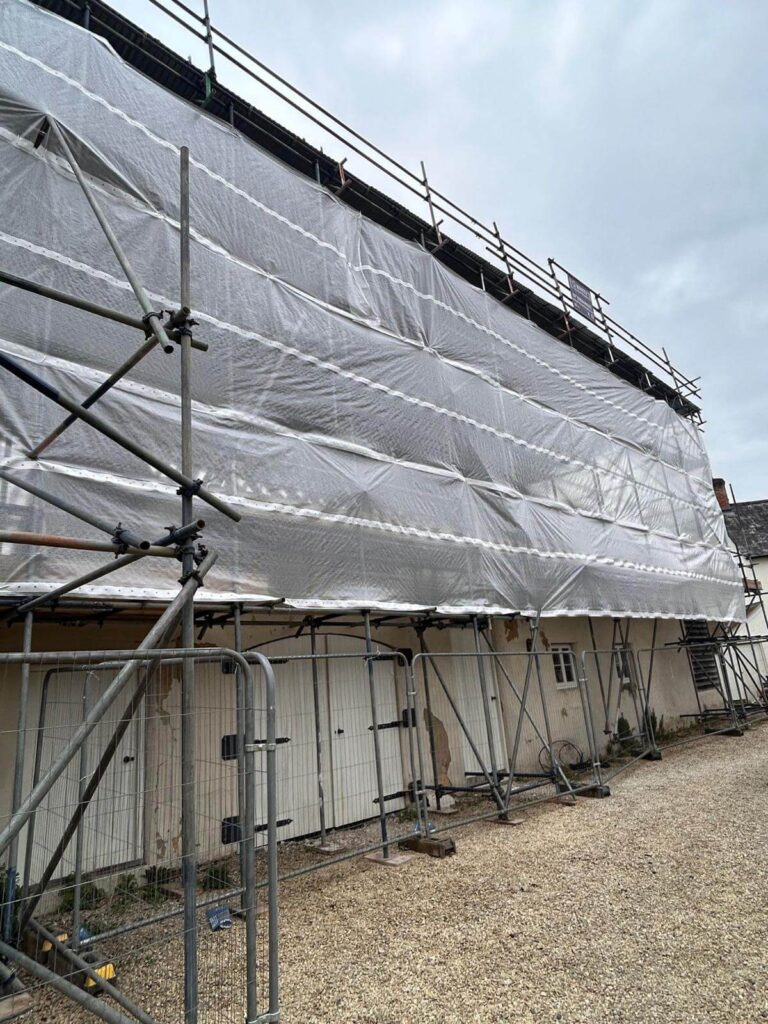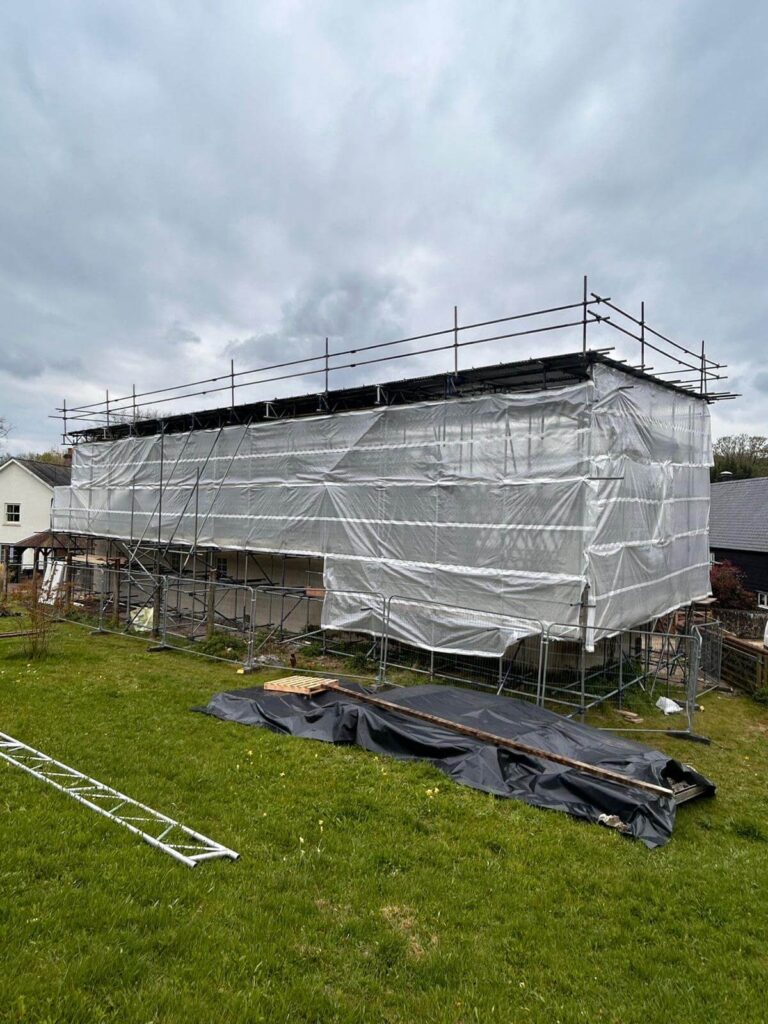
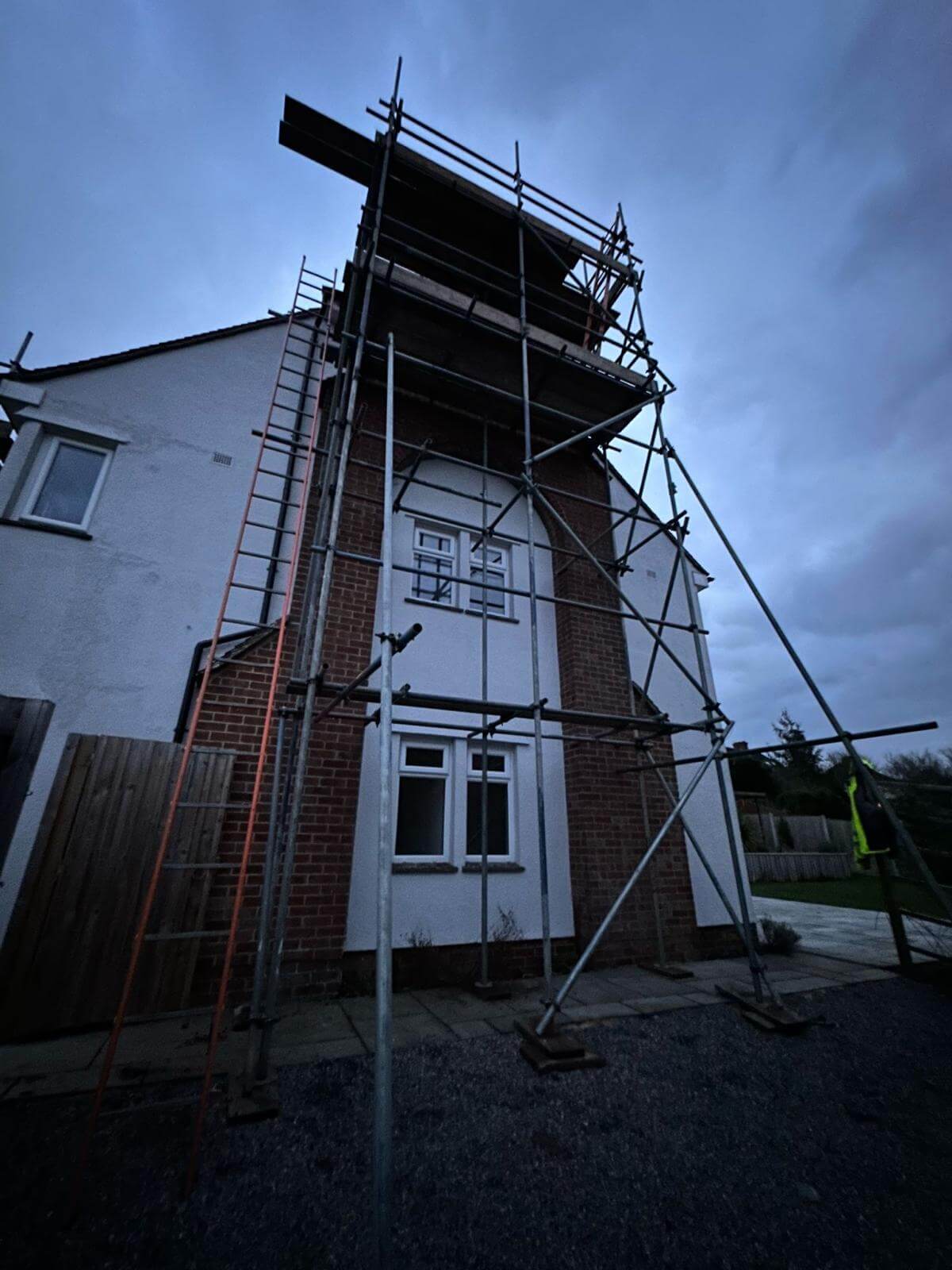
When you plan work at height, one detail shapes everything that follows: scaffolding height.
It decides how safe the job feels. It influences how quickly work moves. It affects how confident people feel when they step onto the platform.
If the height feels right, the job flows. If it feels wrong, even simple tasks become awkward and risky.
You might think this is just about reaching the roof or the top of a wall. It goes deeper than that. The right height creates a working zone where people can move, carry tools, and stay balanced without strain.
This guide walks you through what safe scaffolding height really means, how to judge it for your own project, and how to avoid the small mistakes that often lead to bigger problems.
What does “safe scaffolding height” actually mean?
Safe scaffolding height is not just the total height of the structure. It is the relationship between the working platform and the task you need to complete.
The platform should sit at a level where you can work comfortably. You should not need to stretch above your head. You should not need to crouch or lean too far forward.
When the height feels right, your movements stay natural. That reduces fatigue. It also reduces the chance of losing balance.
Think of it this way. You are not building height for the sake of it. You are building a safe position to work from.
Why does scaffolding height matter so much for safety?
Height changes how you move.
When the platform sits too low, you reach upward. That puts strain on your arms and shoulders. It also shifts your balance, which increases the risk of slipping.
When the platform sits too high, you work below waist level. That forces you to lean forward. Over time, that creates fatigue and instability.
The right height removes those issues. It keeps your body in a neutral position. You feel steady. You move with control.
This is where safety becomes practical. It is not just about rules. It is about how the work feels while you are doing it.
How high should scaffolding be for most jobs?
The general rule is simple: the working platform should sit slightly below the area you are working on.
This gives you a natural reach. You can use tools without overextending. You can see your work clearly without adjusting your stance.
For most domestic projects, this leads to typical height ranges:
- For single-storey work, platforms often sit around 3 to 4 metres
- For two-storey homes, platforms usually reach 5 to 7 metres
- For taller buildings, heights increase depending on the structure
These numbers give a guide, not a fixed answer. The exact height depends on the task, not just the building.
How do you choose the right working platform height?
Start with the job itself.
Ask where the main work will happen. Focus on the exact area, not the general height of the building.
Once you know that, think about how you will stand while working. You want your hands to reach the work area without stretching. Your feet should stay flat on the platform. Your balance should feel natural.
If you imagine working for hours in that position, it should feel sustainable.
That is the height you are aiming for.
What happens if the scaffolding height is wrong?
Problems show up quickly when height is off.
If the platform is too low, people start reaching. Tools become harder to control. Work slows down because every movement takes more effort.
If the platform is too high, people lean forward. That creates pressure on the edge of the platform. It also increases the chance of losing footing.
In both cases, the risk builds over time. Fatigue sets in. Attention drops. Mistakes become more likely.
Getting the height right removes these pressures before they begin.
Does the type of job change the height you need?
Yes, and this is where many people get it wrong.
Different tasks demand different working positions.
Roofing work often requires a platform just below the roof edge. This allows easy access without overreaching.
Rendering or painting may need a slightly different height. The platform may move as the work progresses, so the height stays consistent with the working area.
Chimney work usually needs a more focused setup. The platform must sit at a level where you can work around the structure without leaning too far.
Each job brings its own demands. The height should always follow the task, not the other way around.
How does scaffolding height affect stability?
Height and stability connect closely.
As the scaffold rises, the structure must stay balanced. The base must support the load. The ties must secure the scaffold to the building.
A taller scaffold needs more planning. It may require additional supports or ties to maintain stability.
This is why height cannot be treated in isolation. It forms part of a system. When one part changes, the rest must adapt.
When everything works together, the structure feels solid. That feeling matters when you step onto the platform.
What role do guardrails play at different heights?
As height increases, the risk of falling increases.
Guardrails provide a barrier. They sit at the edge of the platform and stop accidental slips from turning into falls.
At working height, guardrails should sit at a level that protects you without blocking movement. They should feel secure without getting in the way.
This balance allows you to work freely while staying protected.
Do you need different heights for different sides of the house?
In many cases, yes.
Not all parts of your house sit at the same level. Ground levels may vary. Rooflines may change.
This means the scaffold height may differ around the property.
One side may need a higher platform to reach the same working area. Another side may need less height due to ground conditions.
A well-planned scaffold adjusts to these differences. It creates consistent working conditions across all areas.
How do weather conditions affect safe height decisions?
Weather changes how safe a scaffold feels.
Wind becomes more noticeable at height. Even a small increase in height can make a difference in how the structure reacts.
Rain can make surfaces slippery. At higher levels, this adds to the risk.
When planning height, you need to consider these factors. A setup that feels safe in calm weather may feel very different in poor conditions.
This is why experienced scaffolders think ahead. They build with these changes in mind.
Can you adjust scaffolding height during a project?
Yes, and often you should.
As work progresses, the focus area may change. The ideal working height may shift.
Adjusting the platform keeps the working position comfortable and safe.
This flexibility is one of the strengths of scaffolding. It allows the setup to adapt to the job rather than forcing the job to adapt to the setup.
What should you look for before using scaffolding at height?
Before you start work, take a moment to check how the scaffold feels.
Stand on the platform. Notice your reach. Pay attention to your balance.
You should feel stable. You should not need to stretch or lean excessively.
Look at the edges. Check that guardrails are in place. Make sure the platform feels secure underfoot.
These small checks take seconds, but they can prevent larger problems.
How do professionals decide safe scaffolding height?
Professionals follow a process.
They assess the job. They look at the structure. They consider how the work will be carried out.
They then set the platform height based on the working position needed.
They also think about safety systems, such as guardrails and ties, to ensure the structure remains stable at that height.
This approach removes guesswork. It creates a setup that works from the start.
Is there a maximum safe scaffolding height?
There is no single number that applies to every job.
The safe height depends on how the scaffold is built and supported.
A well-designed scaffold can reach significant heights while remaining stable. A poorly designed one may become unsafe at much lower levels.
The focus should always be on design and support, not just the height itself.
How does scaffolding height affect productivity?
When the height feels right, work flows naturally.
You move without hesitation. You reach without strain. You complete tasks without constant adjustment.
This saves time. It reduces fatigue. It improves the quality of the work.
When the height feels wrong, the opposite happens. Every movement takes more effort. Work slows down. Frustration builds.
This is why height is not just a safety issue. It is also a performance factor.
What is the simplest way to get scaffolding height right?
Focus on the working position.
Think about where your hands need to be. Think about how your body will move.
Set the platform so that everything feels natural.
From there, ensure the structure supports that height safely.
If you are unsure, speak to a professional. They will confirm the details and make sure the setup works for your specific job.
Final thoughts: safe height creates a better working environment
Scaffolding height shapes the entire experience of working at height.
When it feels right, everything becomes easier. You move with confidence. You focus on the task. You work without unnecessary strain.
When it feels wrong, small issues build into larger risks.
The goal is simple. Create a platform that supports the way you work.
If you keep that in mind, you will not just meet safety guidelines. You will create a working environment that feels stable, efficient, and reliable from start to finish.
If you are planning a project and want to get the height right from the start, take the time to think it through or speak to someone who understands how to design it properly.
That small step at the beginning often makes the biggest difference by the end.