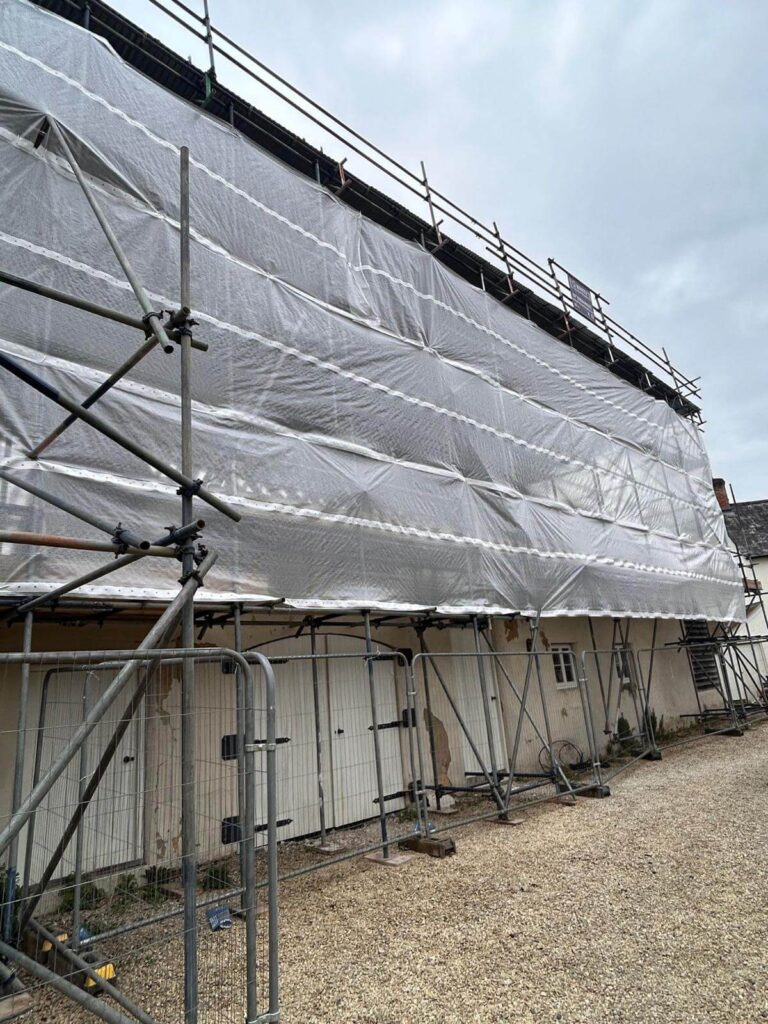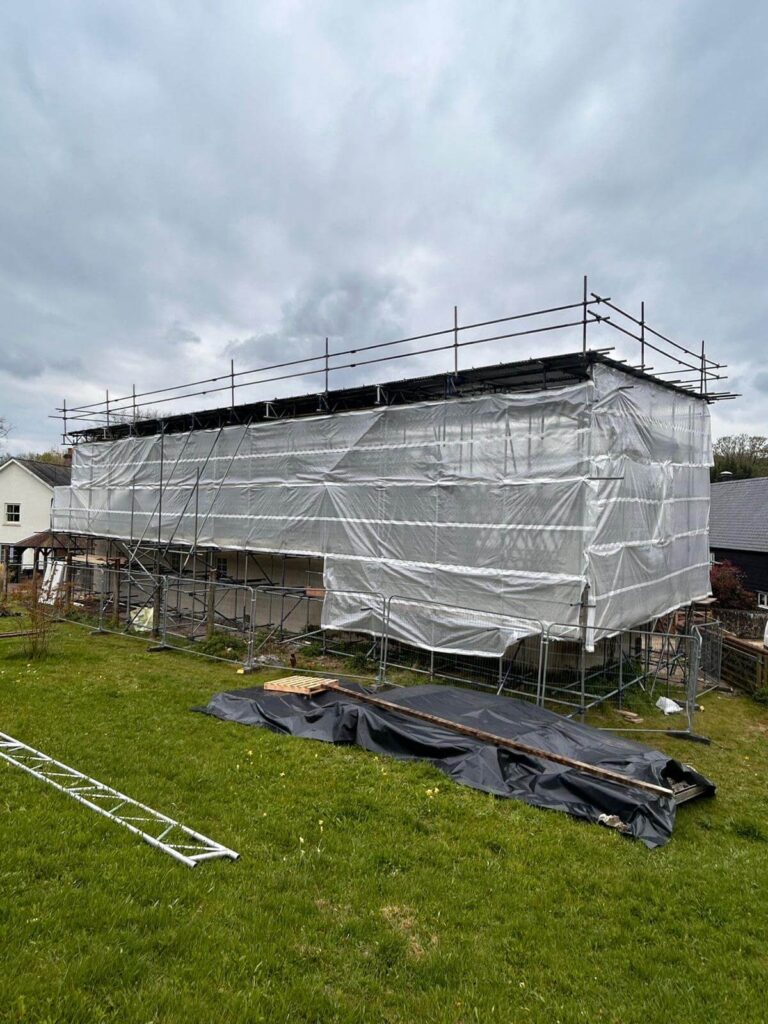

Putting up scaffolding can take anywhere from a few hours to over a week depending on the size of the building, access conditions, the type of scaffold needed, and the number of scaffolders available. Because every site is different, the duration varies far more than most people expect. This detailed guide explains realistic installation times, the factors that influence them, and what you should expect for different types of projects.
By understanding the elements that affect scaffold erection time, you can schedule your renovation, repair, or construction work more accurately. Whether it’s for a small domestic task or a complex commercial structure, having a clear idea of timescales helps you avoid delays and plan confidently.
Typical Timeframes for Erecting Scaffolding
For small domestic projects, scaffolding can sometimes be erected in as little as a few hours. These are usually simple, low-level jobs such as chimney repairs, porch access, or single elevation works. Because the footprint and height are minimal, scaffolders can unload, assemble, and check the structure quickly without needing extensive materials or multiple lifts.
For a standard two-storey home, the typical timeframe is between one and two days. This covers scaffold erection around one or more elevations, installing guard rails, toe boards, bracing, access ladders, and completing safety inspections. Even when the layout appears straightforward, proper safety setup takes time.
For medium-sized commercial properties or larger residential buildings, the timescale increases to between two and five days. These projects require more scaffolders, more materials, and more complex assembly techniques due to greater height, additional load requirements, and extended working platforms.
Large commercial, industrial, and specialist projects may take up to a week or longer. This includes jobs that involve temporary roofing systems, full building encapsulation, bridging over obstacles, suspended sections, cantilever scaffolds, and other engineered designs. Because these installations are highly customised, they demand more detailed planning and assembly.
Key Factors That Influence Erection Time
There are many variables that affect how long scaffold erection will take. The more challenging the conditions, the longer the job is likely to be.
Size and Complexity of the Building
Larger buildings naturally require more scaffold components and more labour. Complex features like conservatories, extensions, chimney stacks, voids, pitched roofs, and awkward angles increase the amount of time needed to plan and erect the structure safely.
Type of Scaffold Required
Basic tube-and-fitting scaffolding is relatively quick, but advanced systems such as cantilever scaffolds, suspended platforms, temporary roofs, or fully sheeted structures require significantly more assembly time. Each specialist variation adds unique safety considerations.
Access and Ground Conditions
Clear, open access speeds up delivery and setup. If the site includes narrow entrances, uneven ground, sloped driveways, surrounding trees, obstacles, parked vehicles, or limited material storage areas, scaffolders need additional time to work safely around constraints.
Crew Size and Experience
A larger and more experienced team can complete a job much faster. Smaller crews or teams dealing with high-complexity builds may take longer simply due to the volume of components and safety steps involved.
Weather and Environmental Conditions
Wind, heavy rain, snow, ice, or extreme temperatures can slow down scaffold erection or pause work altogether. Safety is paramount, and scaffolders cannot operate efficiently or safely in hazardous conditions.
Permits and Legal Requirements
Any scaffold that encroaches onto a pavement, road, public footpath, or shared access requires permits from the local authority. Securing these permissions can delay the start date. Work on listed buildings or conservation areas may also require additional approvals.
Typical Time Expectations — Quick Reference Guide
| Project Type | Average Erection Time |
| Small or single-storey domestic job | A few hours |
| Standard two-storey home | 1–2 days |
| Full exterior, wrap-around house scaffold | 1–2 days (sometimes longer) |
| Medium commercial or multi-storey building | 2–5 days |
| Large commercial / industrial projects | Up to a week or more |
| Sites with difficult access or needing permits | Additional time added |
These estimates should be seen as broad guidelines. Real-world timescales always depend on site-specific conditions.
Why There’s No Single Answer
Two seemingly identical houses can require completely different scaffold erection times. Subtle differences in access, layout, ground level, roof geometry, neighbouring structures, and even local traffic conditions can dramatically affect how long the installation takes.
Because of these variables, scaffolders rely on site surveys to determine accurate timescales. An in-person visit allows them to assess obstacles, measure elevations, identify risks, and determine what type of scaffold system is most appropriate.
Domestic scaffolding is often quicker than homeowners expect, but commercial or specialist projects can involve complex engineering requirements that lengthen the process.
What You Can Do to Get the Most Accurate Estimate
To help scaffolders give you a realistic and reliable timeframe, it’s useful to provide as much information as possible.
Give full building details
Explain how many floors, which elevations require access, roof shape, chimney locations, and any unusual construction features. More detail means fewer surprises during setup.
Highlight access issues
Mention narrow driveways, obstructions, uneven ground, surrounding trees, drainage slopes, neighbour boundaries, conservatories, and anything else that affects where materials can be placed.
Ask about the scaffold system
Different systems take different amounts of time. Asking which type will be used helps you understand the complexity involved.
Confirm workforce size
Knowing how many scaffolders will attend gives you a sense of whether the job is likely to finish in one day, two days, or more.
Factor in weather and busy seasons
Autumn and winter often involve unavoidable weather delays. Summer is usually busier, meaning scaffolders may have limited scheduling flexibility.
Check for permits early
If public access areas are involved, securing permissions early prevents last-minute hold-ups.
Our Final Say!
Scaffolding can take anywhere from a couple of hours to over a week depending on project size, access, scaffold type, and the complexity of the structure. A standard two-storey house generally takes one to two days, while commercial or engineered scaffolding can take much longer.
The best way to determine a realistic timeframe is through an on-site assessment. When you understand the factors that influence the duration, you can plan ahead, coordinate your trades more effectively, and keep your overall project on schedule.