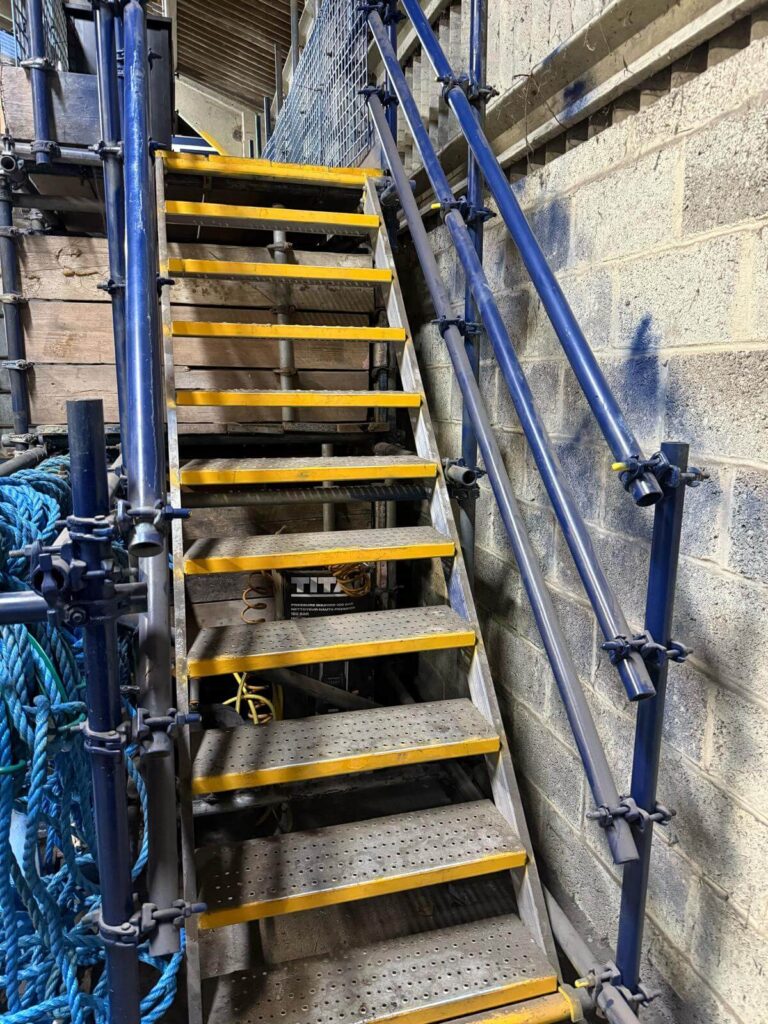
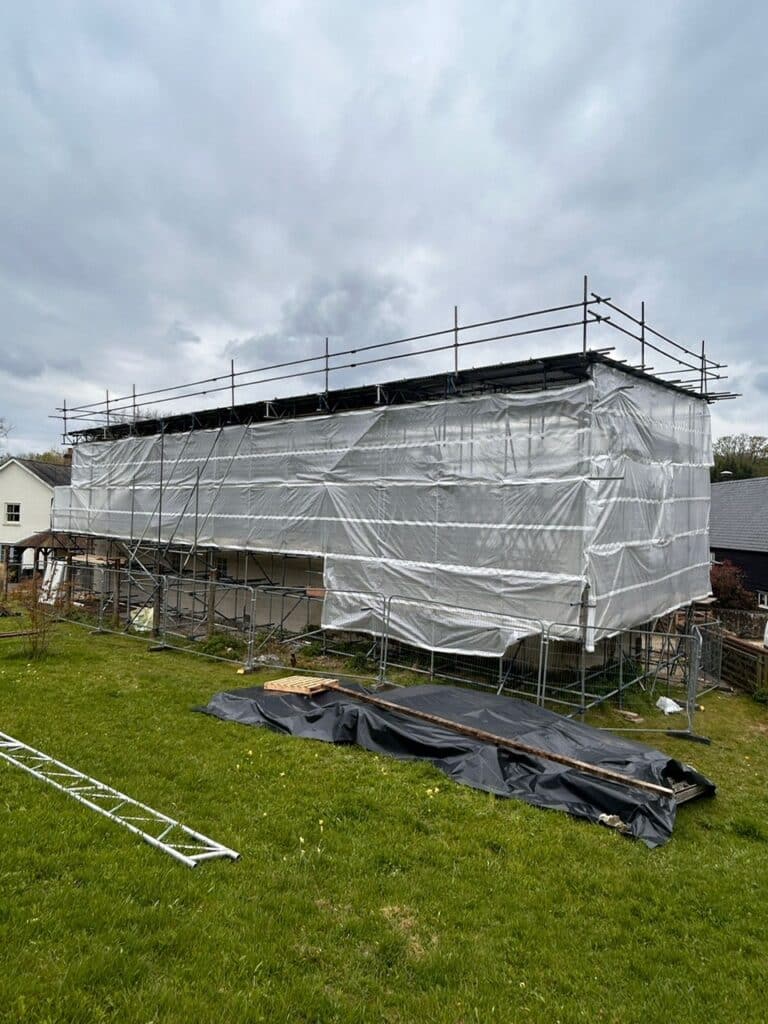
Scaffolding for Civil Engineering

Planned scaffold access for civil engineering, infrastructure and structural work.

  • Access around bridges, retaining walls and engineered structures.
  • Solutions assessed for ground, loading and site restrictions.
  • Erection and removal coordinated with construction phases.

Experienced Scaffolders

With over 15 years of experience in the scaffolding industry, White’s Scaffolding delivers quality workmanship and dependable service across Wiltshire, Hampshire, and Dorset.

All Projects, Large or Small

From domestic homes and extensions to industrial and commercial sites, we provide safe, reliable scaffolding tailored to every type of project.

Fair and Competitive Pricing

We offer realistic, transparent rates with no hidden charges, providing exceptional value and professional results from start to finish.

Safety First, Always

Our fully trained and insured team works to strict health and safety standards on every job, ensuring secure structures and complete peace of mind.

Scaffolding for Civil Engineering and Infrastructure Projects

Whites Scaffolding provides scaffolding for civil engineering work where contractors need controlled access to structures that are difficult to reach from the ground. We can assess temporary working platforms for bridge maintenance, concrete repairs, retaining walls, structural investigations and other infrastructure-related tasks.

Civil engineering access differs from a typical building scaffold. Work can take place beside an excavation, above a watercourse, alongside a live road or on ground that has not yet reached its final construction level. The scaffold layout needs to reflect these conditions from the outset.

We work with principal contractors, site managers and temporary-works teams to establish the purpose of the scaffold, available support positions, intended loads and required access routes. Depending on the site, tube and fitting scaffolding can be considered where standard arrangements cannot follow irregular concrete, masonry or steelwork.

Scaffolding is an access solution unless it has been separately specified and designed to carry structural loads. Supporting an incomplete bridge deck or freshly poured concrete, for example, involves temporary works such as falsework and must not be assumed to be covered by a general access scaffold.

Send us drawings, photographs or a description of the works. We can discuss a suitable access approach and identify information needed before a quotation is prepared.

Where Civil Engineering Contractors Need Scaffold Access

Access requirements tend to change as a project moves from investigation to repair or construction. The correct arrangement must allow the work to be carried out without introducing hazards to adjacent activities.

  • Bridge inspections and maintenance: Working platforms for surveying, cleaning, concrete repairs and other tasks around accessible bridge elements.
  • Abutments and retaining walls: Access for reinforcement checks, drainage work, masonry repairs and surface treatment at different elevations.
  • Structural refurbishment: Scaffold arrangements near existing steelwork or concrete frames, with clear limits on permitted loading.
  • Culverts and drainage structures: Restricted-area access where entry arrangements, atmosphere, water conditions and available space require specialist assessment.
  • Site preparation: Temporary access for surveys or opening-up works before the permanent construction programme begins.

For work involving temporary stabilisation of an existing wall or structure, our dead shore scaffolding service covers a different requirement from standard working-platform access. Any propping must follow an appropriate engineering assessment and design.

Ground Conditions and Constraints That Affect Scaffold Design

A civil engineering site may have perfectly adequate space for a scaffold but insufficient ground-bearing capacity beneath its proposed legs. Excavation backfill, buried drainage, temporary surfacing and changes in ground level all matter.

Before an access arrangement is confirmed, the project team may need to provide bearing-capacity information, utility surveys, excavation drawings and details of nearby plant movements. Ground support must be assessed against the reactions from the scaffold, including any relevant horizontal or uplift forces.

Examples that require early discussion include:

  • Scaffold standards close to an excavation edge or recently filled trench.
  • Restricted foundations beside a riverbank or flood-defence structure.
  • Vehicle routes crossing the intended scaffold footprint.
  • Limited tie locations on older or deteriorated concrete.

Where there is no suitable support beneath the working area, suspended scaffolding may be worth investigating. It is not a default alternative: the supporting structure, suspension points, loading and erection sequence must all be engineered for the particular project.

Four Early Checks That Can Prevent Access Problems

Clear information at tender stage helps avoid designing a scaffold around assumptions that do not hold once construction begins.

Ground-Bearing Evidence

Bearing capacity, buried services, made ground and nearby excavations should be reviewed before scaffold loads are transferred into the site surface.

Clear Loading Brief

The design must identify the people, equipment and material loads expected on each working platform, rather than relying on a generic scaffold description.

Sequence and Change

The access arrangement should accommodate construction phases, temporary openings and planned modifications without unapproved changes to the scaffold.

Site Interfaces

Delivery routes, public boundaries, construction traffic, existing utilities and adjacent operations can all affect erection and dismantling arrangements.

Bridge, Viaduct and Highway Structure Access

Reaching the underside or sides of an infrastructure asset can be more complicated than reaching its upper surface. Clearance beneath the structure, access to the abutments, existing services and the movement of people or vehicles below can determine whether a scaffold is feasible.

What Needs to Be Agreed Before Installation?

For bridge and highway work, the contractor should identify the areas to be accessed and provide the restrictions applying to the asset. These may include:

  • The clearance that must remain beneath or beside the structure.
  • Restrictions on drilling, tying or imposing loads on the existing asset.
  • Whether road, footpath or waterway access must remain operational.
  • Permitted working hours, closures and traffic-management arrangements.
  • Exposure to wind and the possibility of flooding or rapidly changing water levels.

Where work takes place near public routes, screen scaffolding and protection may be considered as part of an assessed falling-object protection strategy. Screening and sheeting also add wind load, so they must be included in the scaffold specification.

We can review the intended access with the relevant project representatives, but the asset owner and principal contractor retain their respective approval and site-management responsibilities.

Coordinating Scaffold Work With the Construction Programme

Permanent works are seldom static while access scaffolding is in use. A concrete repair may expose unexpected defects; a drainage installation may change excavation limits; and plant may need a route that was previously available for scaffold materials.

For this reason, the scaffold brief should identify hold points and foreseeable stages where access must change. It is usually more practical to plan a controlled alteration than to wait until an installed scaffold blocks the next construction activity.

Our Approach to Site Coordination

  • Review: Establish the working areas, programme, drawings and constraints with the contractor.
  • Specify: Confirm intended loading, access heights and any requirement for a project-specific scaffold design.
  • Install: Agree delivery, erection areas and interfaces with other contractors before starting work.
  • Handover: Provide the appropriate handover information and agree who manages required inspections during use.
  • Alter or remove: Coordinate changes and dismantling with the construction sequence and approved method.

Where debris from repair work presents a hazard, we can also discuss scaffold safety netting. The type of protection must match the actual hazard; debris containment netting is not interchangeable with a personnel fall-arrest system.

Managing Temporary Works and Scaffold Safety

Scaffolding used on civil engineering projects is part of the site’s temporary works arrangements. It must be planned, erected and maintained for foreseeable loads and for the use stated in its design or recognised configuration.

The Construction (Design and Management) Regulations 2015 and the Work at Height Regulations 2005 place duties on those planning and controlling the work. HSE guidance also explains how a temporary works coordinator can help manage design, checking, installation and alterations; the title itself is not mandatory on every project.

Design responsibility and approval

Some conventional scaffolds can follow recognised standard configurations. Bridge scaffolds, unusual support conditions, suspended platforms and other non-standard arrangements normally require a competent designer’s specific calculations and drawings. Design approval does not replace inspection or an authorised handover.

Inspections during the hire

Construction scaffolds requiring statutory inspection must be checked before first use, at intervals of no more than seven days, and after relevant events such as substantial alteration or adverse weather. The site must agree who is responsible for arranging and recording these inspections.

Excavations and confined spaces

An access scaffold does not provide excavation support and does not make a confined space safe to enter. These hazards require separate risk assessments, protective measures and competent specialists where necessary.

Frequently Asked Questions About Civil Engineering Scaffolding

Can scaffolding be installed beside an excavation?

Sometimes, but not until the effects of the excavation on the scaffold foundations have been assessed. Distance from the edge alone is not enough; soil conditions, excavation support and scaffold leg loads may all be relevant.

Can you provide scaffold access beneath a bridge?

We can review an under-bridge access enquiry, including clearance, anchor restrictions and available support positions. The solution may require a bespoke design, and some sites may need a different specialist access method.

What is the difference between scaffolding and falsework?

Access scaffolding provides working positions and routes for people and permitted materials. Falsework supports part of a permanent structure during construction, such as formwork for a concrete pour. The duties, design and loading assumptions must be specified separately.

How much does scaffolding for civil engineering cost?

Cost depends on the design, scaffold size, location, ground conditions, programme and length of hire. Traffic-management restrictions, engineering checks and multiple installation phases can also affect the quotation.

How long does installation take?

A simple access scaffold may be quicker to install than a suspended or heavily constrained structure. A realistic programme can only be set after reviewing site access, approved drawings, delivery arrangements and the proposed erection sequence.

Do scaffold changes need engineering approval?

Alterations must be assessed by competent people. If a change affects a bespoke design or moves a scaffold outside its recognised configuration, revised design information may be required before work continues.

Can your team work around active highways or industrial operations?

We can assess schemes with operating-site restrictions. Any road closure, traffic management, permit, isolation or asset-owner approval must be organised by the responsible parties before work starts.

What information should we send with an enquiry?

Please include the site location, programme, photographs or drawings, required working heights, intended loads and known restrictions. Tell us if the structure is next to an excavation, watercourse or live transport route.

Which areas do you cover?

Whites Scaffolding is based in Salisbury and provides services across Wiltshire, Hampshire and Dorset, with other locations considered according to project requirements and availability. Call 01722 398439 with the site details.

Need Access for a Civil Engineering Project?

Send Whites Scaffolding your working drawings, access requirements and proposed construction dates. We can discuss the scaffold scope, identify key site constraints and prepare a project-specific quotation.

Speak to our team on 01722 398439.