Specialist scaffold access for archaeological excavations, recording areas and heritage investigations.
- Safe routes, platforms and perimeter protection.
- Adaptable access around sensitive excavation areas.
- Project enquiries: 01722 398439.

Specialist scaffold access for archaeological excavations, recording areas and heritage investigations.
With over 15 years of experience in the scaffolding industry, White’s Scaffolding delivers quality workmanship and dependable service across Wiltshire, Hampshire, and Dorset.
From domestic homes and extensions to industrial and commercial sites, we provide safe, reliable scaffolding tailored to every type of project.
We offer realistic, transparent rates with no hidden charges, providing exceptional value and professional results from start to finish.
Our fully trained and insured team works to strict health and safety standards on every job, ensuring secure structures and complete peace of mind.
Archaeological excavation scaffolding provides controlled access around pits, trenches, exposed structures and recording areas where ordinary ground-level movement may be difficult or unsafe.
Excavations can change quickly as additional deposits, walls, foundations or buried features are uncovered. Access systems therefore need to work around the archaeological programme without obstructing the areas being investigated.
White’s Scaffolding can plan structures for:
For complex layouts, scaffolding design can account for load positions, excavation geometry, restricted support locations and the routes archaeologists need to use.
Scaffolding does not replace the structural measures needed to prevent excavation sides from collapsing. Shoring, battering and other excavation-support requirements remain separate temporary-works considerations.
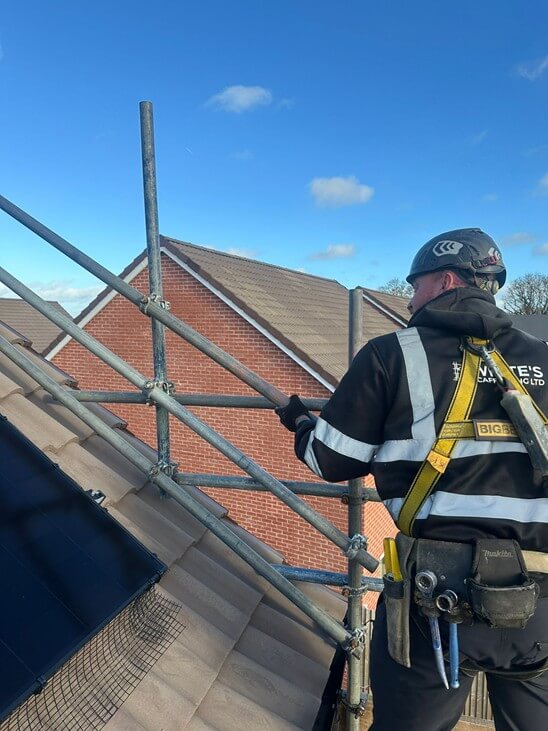
The location of scaffold standards can be particularly important on an archaeological site.
Supports should not simply be positioned wherever space appears available. Excavated deposits, preserved remains, fragile surfaces, temporary excavation support and areas awaiting investigation may all restrict where loads can safely be transferred.
Traditional tube and fitting scaffolding provides flexibility for irregular sites because the scaffold can be configured around changing shapes and restricted support positions.
This can help when:
The scaffold layout should be agreed with the relevant site team before erection so access requirements and protected archaeological areas are clearly understood.
Where excavation conditions change, any scaffold alteration should be reassessed rather than improvised by site operatives.
Archaeological teams may need to move repeatedly between excavation areas, finds-processing points, recording stations and site entrances.
Uneven ground, open trenches and temporary spoil areas can make the most direct route unsuitable.
Scaffold access walkways can create defined pedestrian routes above or around restricted areas.
A walkway may help provide:
The required loading should be established before the walkway is designed. A pedestrian access route should not automatically be treated as a materials-loading platform.
Widths, changes in level and entry points should also reflect how the archaeological team will actually use the route throughout the investigation.
Excavation depth is only one factor. The scaffold also needs to work with the archaeology, temporary works and day-to-day movement around the site.
Falls into excavations are a separate hazard from falls from scaffolding itself.
Where people can approach an open edge, substantial protection may be required to prevent workers, visitors or equipment entering the excavation.
Edge protection scaffolding can provide guardrails, toe boards and controlled barriers around suitable working areas.
On an archaeological project, edge protection may be useful beside:
HSE guidance requires suitable precautions against people and materials falling into excavations. The exact protection method depends on the excavation, surrounding ground and temporary support system.
Guarding also needs to avoid interfering with archaeological recording or placing unsuitable loads close to the excavation edge.
This is why edge protection should be coordinated with the excavation plan rather than added only after the trench has been opened.
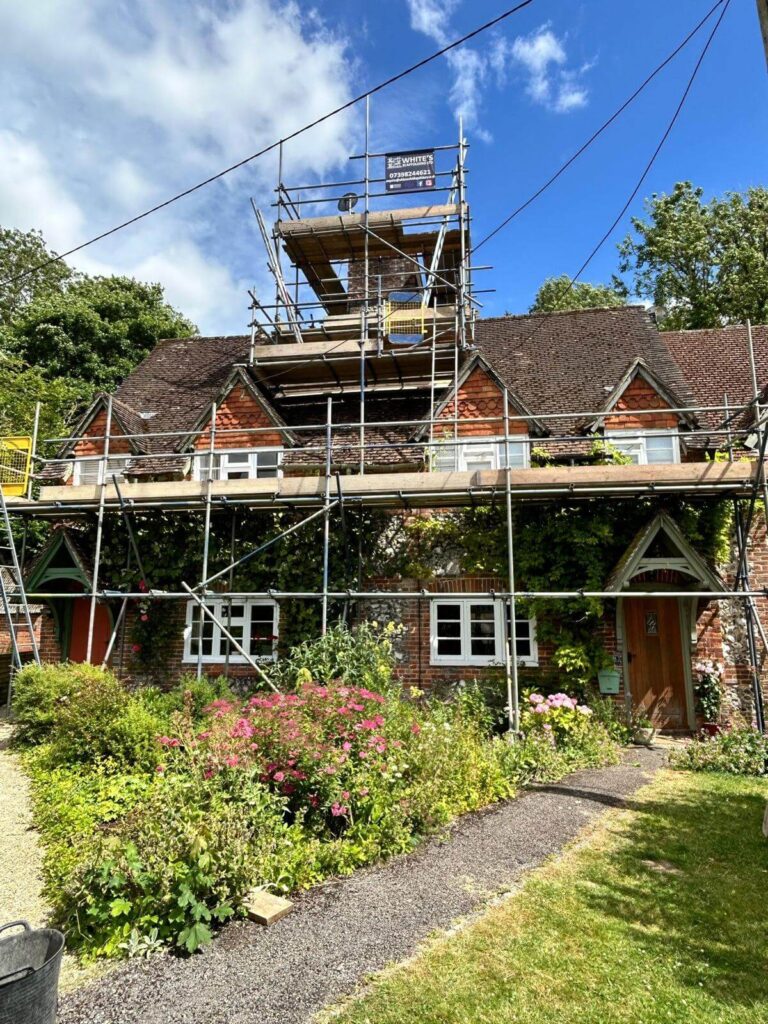
Rain and direct weather exposure can disrupt excavation, recording and conservation work, particularly when fragile remains have been uncovered.
Where appropriate, temporary roof scaffolding can provide a protective covering above part of an excavation or sensitive working area.
Potential applications include:
A temporary roof does not remove the need to manage groundwater, surface-water inflow or excavation stability.
Its purpose is to reduce direct exposure from above and create a more controlled working environment.
Historic England emphasises the importance of understanding and protecting archaeological remains during investigation and development. Where remains are particularly sensitive, the archaeologist or conservation specialist should determine the environmental conditions required.
The scaffold and covering can then be planned around those requirements.
How much does archaeological excavation scaffolding cost?
The cost depends on the size and depth of the excavation, scaffold footprint, number of platforms, access requirements, hire period and whether specialist design, walkways or weather protection are needed.
Can scaffolding be erected beside a deep excavation?
Potentially, but the ground conditions, excavation support and scaffold loads must be assessed. Loads should not simply be placed close to an excavation edge without considering their effect on stability.
Can scaffold platforms be built above archaeological remains?
They may be possible where a suitable design can transfer loads away from protected areas. The archaeological team should identify locations that must not be disturbed before the scaffold layout is agreed.
Can scaffolding provide access into an excavation?
Yes, suitable scaffold stair or access arrangements may form part of the solution. The final arrangement depends on excavation depth, geometry, working space and the project’s risk assessment.
Is scaffolding the same as excavation shoring?
No. Scaffolding primarily provides access, working platforms and protection. Excavation shoring or battering deals with preventing the excavation sides from collapsing and is a separate temporary-works requirement.
Can archaeological scaffolding be altered as excavation progresses?
Yes. New structures or deposits can change the required working area. Alterations should be planned and carried out by the scaffolding contractor rather than improvised by the excavation team.
Can scaffolding be used on heritage or scheduled sites?
Potentially, subject to the project requirements and any necessary heritage or statutory consents. Heritage and listed-building scaffolding principles can also be relevant where excavation takes place beside sensitive historic fabric.
Does every archaeological excavation need scaffold edge protection?
No. The required fall-prevention system depends on the depth, layout, site access and risk of people approaching the edge. Suitable barriers are required where there is a risk of falling into an excavation.
Can a walkway cross an excavation?
Yes, where a properly designed structure and suitable support positions are available. The expected pedestrian and equipment loads must be established before the walkway is installed.
Who decides where scaffold supports can be positioned?
The scaffold arrangement should be coordinated with the project team. Archaeologists identify sensitive remains and work areas, while temporary-works, excavation and scaffolding requirements determine where support can safely be provided.
How do I arrange archaeological excavation scaffolding?
Call White’s Scaffolding on 01722 398439 with excavation drawings, dimensions, access information, expected programme and details of any known archaeological or ground restrictions.
Tell White’s Scaffolding about the excavation dimensions, access routes, sensitive areas and expected programme. We can discuss a scaffold arrangement designed around safe archaeological access and site protection.