Scaffold access for homes, residential blocks and larger properties throughout Roehampton.
- Solutions for repairs, maintenance and refurbishment.
- Access planned around occupied and communal buildings.
- London enquiries: 020 7205 2798.

Scaffold access for homes, residential blocks and larger properties throughout Roehampton.
With over 15 years of experience in the scaffolding industry, White’s Scaffolding delivers quality workmanship and dependable service across Wiltshire, Hampshire, and Dorset.
From domestic homes and extensions to industrial and commercial sites, we provide safe, reliable scaffolding tailored to every type of project.
We offer realistic, transparent rates with no hidden charges, providing exceptional value and professional results from start to finish.
Our fully trained and insured team works to strict health and safety standards on every job, ensuring secure structures and complete peace of mind.
White’s Scaffolding provides scaffolding in Roehampton for property repairs, planned maintenance, refurbishment and contractor-led projects.
The area has an unusually varied building stock. Traditional houses around Roehampton High Street sit alongside post-war residential blocks, larger institutional buildings and newer properties around Roehampton Lane and Danebury Avenue.
That variety means scaffold access needs to be assessed individually. A small house may require one working elevation for roofing or decoration, whereas a larger block can need multiple lifts, protected entrances and access arrangements for several trades.
White’s Scaffolding provides a broad range of scaffolding services so the system can be selected around the building and work rather than forcing every project into the same configuration.
Ground conditions, building height, resident access and the position of neighbouring structures should all be understood before installation begins.
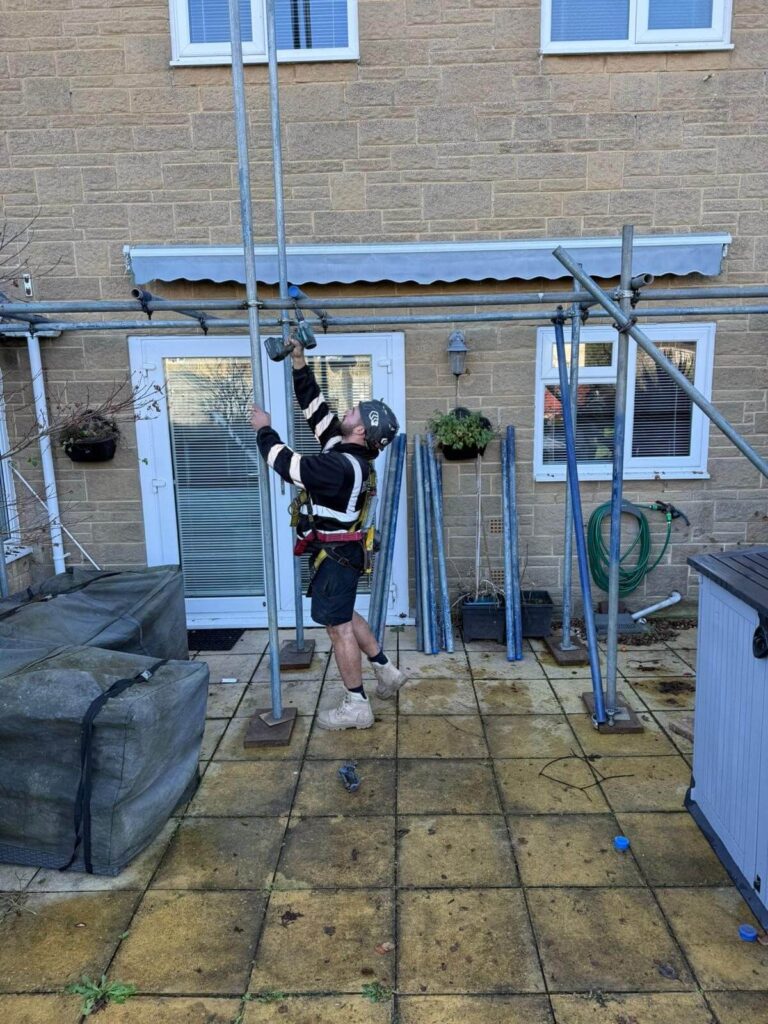
Larger residential buildings can need much more coordination than a scaffold erected around a single house.
Roehampton includes substantial blocks and estate-style developments where residents may continue entering and leaving the building throughout maintenance work.
A scaffold may need to accommodate:
The correct arrangement depends on whether work involves roofing, windows, concrete or masonry repairs, decoration, drainage or a combination of tasks.
White’s Scaffolding outlines different types of scaffolding that can be selected according to the access problem rather than simply the size of the building.
Roehampton contains larger sites where construction work takes place around people who still need to use the building.
Educational, healthcare and other institutional projects may involve staff, visitors, students, contractors and deliveries moving through the same site. Scaffold access therefore needs to fit into the wider management of the premises.
Typical considerations include:
White’s Scaffolding works across a range of scaffolding sectors, allowing access arrangements to reflect the operational requirements of different premises.
On larger sites, early coordination can be as important as the scaffold structure itself.
A useful scaffold begins with understanding how the site will operate while the structure is in place.
Older buildings can contain materials that require specialist investigation and removal before refurbishment proceeds.
Where asbestos-containing material is located at height, the licensed asbestos contractor may require a stable access structure that works with the project’s containment and removal procedures.
Scaffolding for asbestos removal can be configured to support work involving high-level panels, soffits, roofing materials or enclosed removal areas.
Depending on the project, planning may need to address:
Scaffolding does not determine how asbestos should be removed. The removal method and legal requirements remain matters for the competent asbestos specialists managing that work.
The scaffold instead provides the access and supporting structure required for the agreed method.
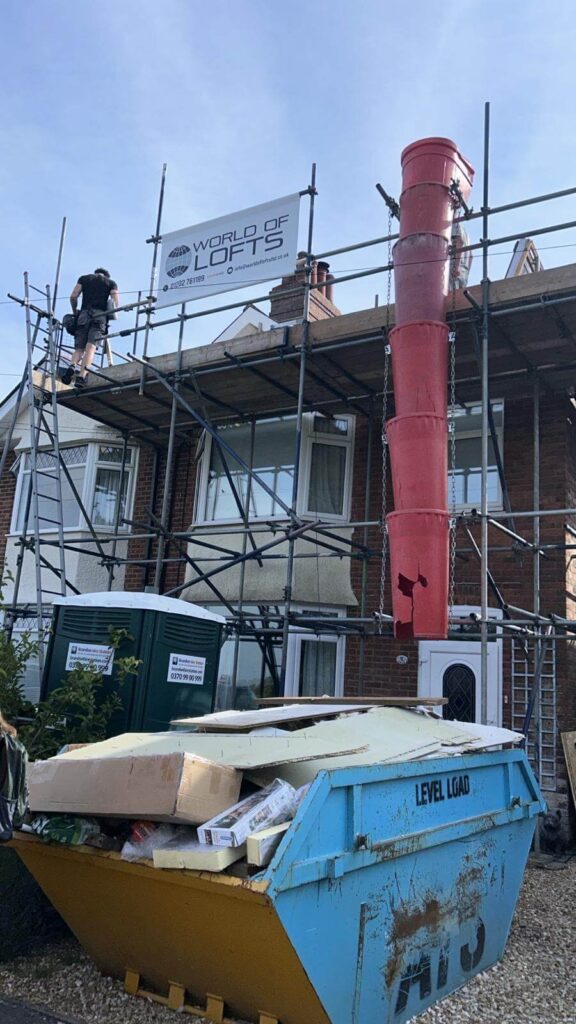
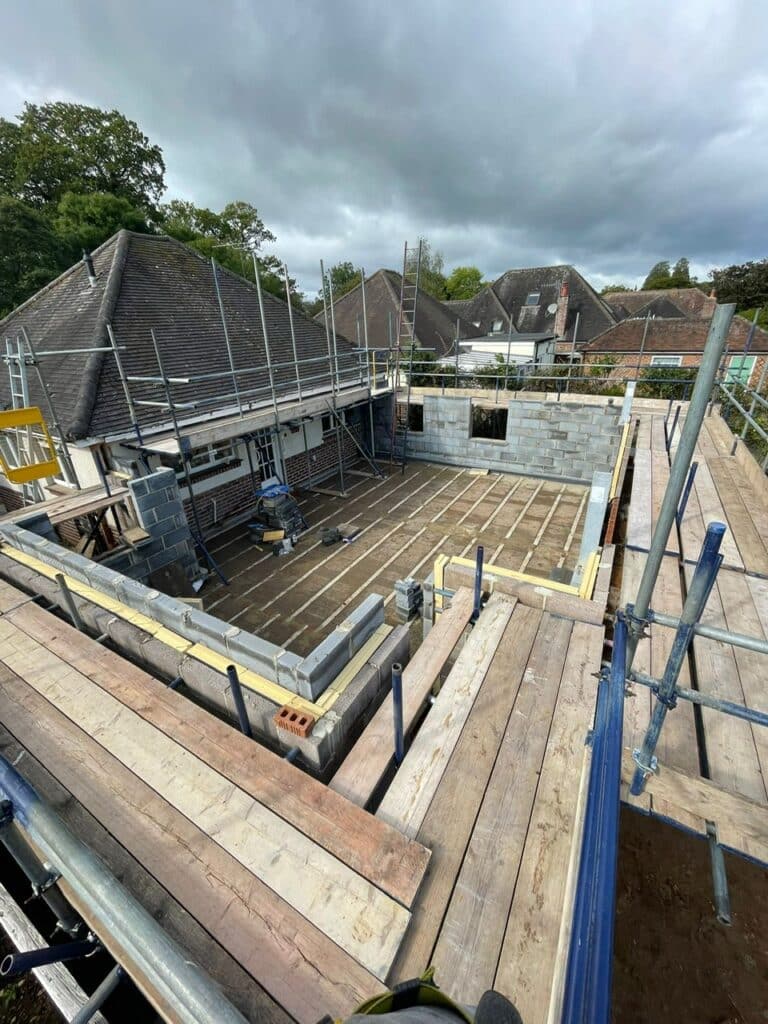
Some buildings require access to be planned around more than height and loading.
Older community buildings and places of worship can contain decorative stonework, stained glass, fragile roof details and internal features that should not be treated like ordinary construction surfaces.
White’s Scaffolding provides scaffolding for religious buildings where contractors need access for roof repairs, masonry work, inspection, restoration or internal high-level maintenance.
Projects of this type can require:
The building should be assessed before erection so the access arrangement reflects its materials, geometry and ongoing use.
Where a property remains open during works, the scaffold programme may also need to fit around scheduled activities within the building.
How much does scaffolding cost in Roehampton?
The cost depends on the height, length and complexity of the scaffold, how many elevations are required, the hire period and any restrictions around the building. Specialist access or additional protection can also affect the quotation.
Can scaffolding be erected around a block that remains occupied?
Yes, many refurbishment and maintenance projects take place around occupied buildings. Entrances, pathways, communal areas and other essential routes should be considered when the scaffold is planned.
Can you scaffold a high-rise or larger residential block?
The feasibility and scaffold arrangement depend on the height, building form, access requirements and work being carried out. Larger structures may require additional planning and design compared with a straightforward house scaffold.
Can scaffold access be phased around different elevations?
Yes. Where a programme allows it, access can sometimes be planned in stages rather than erecting every elevation simultaneously. Whether that is appropriate depends on the contractor’s sequence of work and project requirements.
What happens before the scaffold is erected?
The project requirements and site conditions should first be established. White’s Scaffolding explains its approach from planning through installation and dismantling on its scaffolding process page.
Can the scaffold be changed if the project changes?
Alterations can be made where required, but they should be completed by the scaffolding contractor. Other trades should not remove structural components, ties, guardrails or boards themselves.
Will I still be able to use the building entrance?
In many situations, yes. The entrance position should be identified during planning so the structure can be arranged around the required route where practicable.
Do I need to know exactly what scaffold I require?
No. It is more useful to explain what work is being carried out, where contractors need access and what restrictions exist around the property. The suitable scaffold arrangement can then be considered from those requirements.
How do I arrange scaffolding in Roehampton?
Call White’s Scaffolding on 020 7205 2798 with details of the property, required working areas and planned project dates.
Tell White’s Scaffolding about the building, the work being planned and any restrictions around the site. We can discuss the access requirements and a suitable scaffold arrangement for your Roehampton project.